How to Seek Compensation for Tesla's Undelivered Full Self-Driving Promise
Introduction
For over a decade, Tesla has marketed its vehicles as having all the necessary hardware for full self-driving capability, with promises of future software updates that would unlock autonomous driving. However, as of 2025, true Level 5 autonomy remains elusive, leading many owners to feel misled. One such owner, Ben Gawiser, took legal action and won a $10,600 judgment against Tesla for failing to deliver on its FSD promises. But Tesla continues to fight the payment, using delays to drag out the process. If you're a Tesla owner who purchased FSD based on these claims, you may be eligible for compensation. This step-by-step guide walks you through the process, from gathering evidence to navigating the legal system.
What You Need
- Proof of vehicle purchase (bill of sale, lease agreement)
- Receipt or invoice showing you paid for the Full Self-Driving (FSD) option
- Documentation of Tesla's marketing materials and statements about FSD (e.g., screenshots, videos, press releases)
- Communication records with Tesla about FSD (emails, service requests, or online chats)
- Timeline of Tesla's FSD promises vs. actual delivery dates
- Access to small claims court in your jurisdiction (optional: legal representation)
- Patience and persistence—Tesla has a history of delaying payments
Step-by-Step Guide
Step 1: Document Your Purchase and Tesla’s Promises
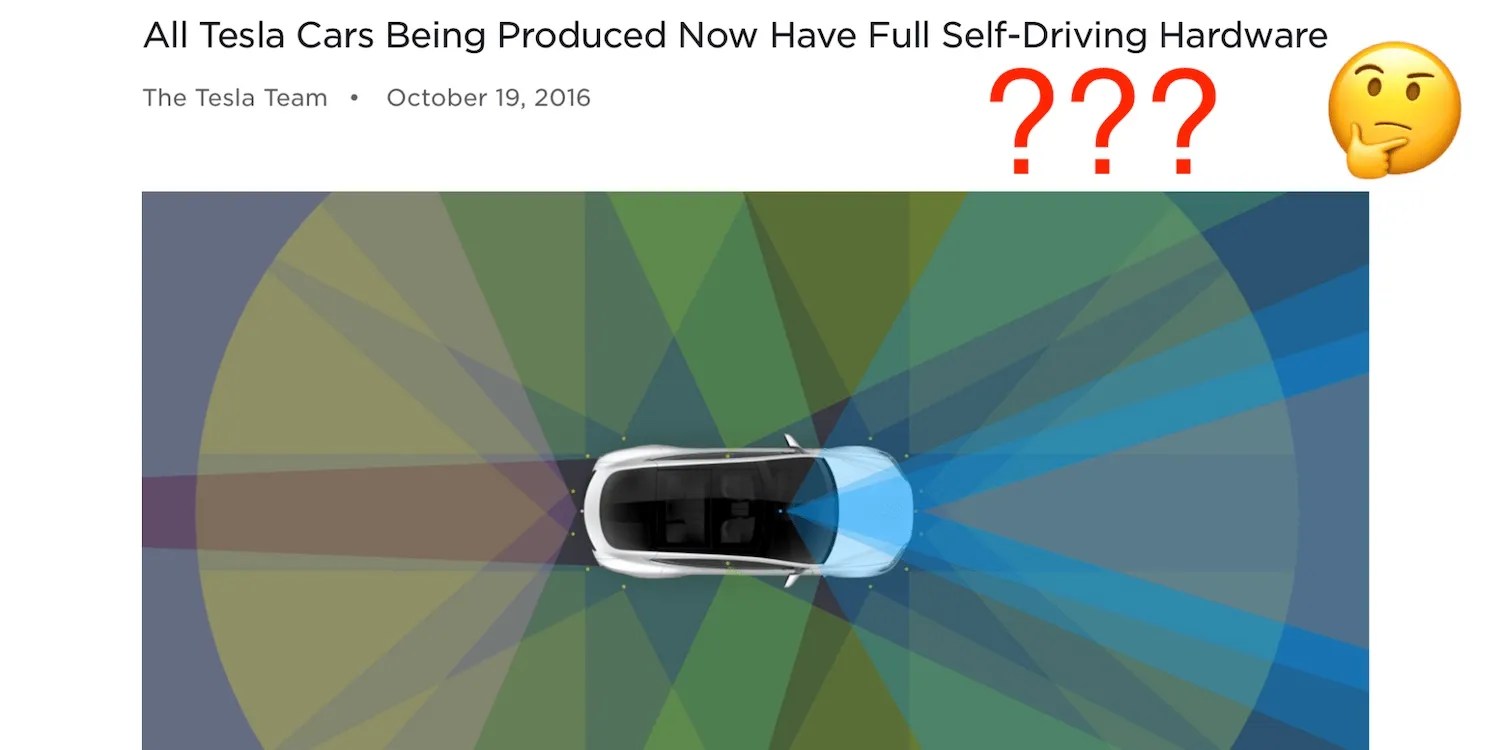
Begin by gathering all evidence related to your Tesla purchase, specifically the FSD option. Find the original sales contract, order agreement, or lease document that shows you paid extra for FSD. Next, compile a folder of Tesla's public claims about self-driving hardware and software. This includes Musk’s tweets from 2016 stating that all cars have “full self-driving hardware,” official blog posts promising FSD capabilities by end of 2018, and any advertisements that implied imminent autonomy. The goal is to prove that Tesla made specific, unfulfilled promises that influenced your purchase.
Step 2: Understand the Legal Basis for Your Claim
Your claim likely falls under consumer protection laws regarding false advertising or breach of contract. In many jurisdictions, if a company sells a product based on a promise of future performance that never materializes, you may be entitled to a refund or damages. Ben Gawiser successfully argued that Tesla’s failure to deliver FSD constituted a breach of the implied warranty of merchantability and violated consumer fraud laws. Research your local laws or consult a legal aid clinic to understand what constitutes a valid claim. Key term: “expectation damages”—you want the amount you paid for FSD, plus possibly court costs.
Step 3: Collect Evidence of Misrepresentation
Create a detailed timeline of Tesla’s FSD announcements and your own experience. For each promise (e.g., “self-driving by end of 2017”), note the date and source. Then, gather evidence that the feature was not delivered—for example, your car’s FSD package still only offers Enhanced Autopilot features like lane keeping or summon. Screenshots of your vehicle’s autopilot settings can show what actually works. Also, save any customer service interactions where you asked about FSD and were given vague timelines or told to wait. This evidence will form the backbone of your case.
Step 4: Send a Demand Letter to Tesla
Before filing a lawsuit, most courts require you to attempt a settlement. Write a formal demand letter to Tesla’s legal department. Include your name, VIN, FSD purchase details, a summary of Tesla's promises, and a clear statement of the compensation you seek (e.g., full refund of FSD cost plus interest). Attach copies of your evidence. Set a deadline for response (commonly 30 days). Keep a copy for your records. While Tesla rarely settles small claims, this step establishes that you tried to resolve the matter amicably.
Step 5: File a Small Claims Court Case
If Tesla ignores or rejects your demand, file a complaint in small claims court. The limit for small claims varies (usually $5,000 to $25,000). Ben Gawiser’s $10,600 judgment was within this range. Check your local court’s rules for filing fees and procedures. You can file without a lawyer, but it’s wise to consult one. Prepare your complaint form, listing Tesla as the defendant (often the legal entity “Tesla, Inc.”). Attach your demand letter and evidence. Pay the filing fee—if you win, you can recover this cost. Serve Tesla with the complaint according to court rules (e.g., via certified mail to their registered agent).

Step 6: Present Your Case in Court
On your court date, arrive early with multiple copies of your evidence. Present your case logically: explain why you bought the car, what Tesla promised, when you paid for FSD, and what you actually received. Use your timeline and marketing materials to show a pattern of unfulfilled promises. Be prepared for Tesla’s defense—they may argue that FSD is still in beta or that you agreed to terms and conditions that disclaim certain guarantees. Counter by emphasizing that Tesla stated hardware was capable and that software would be delivered throughout the car’s lifespan. Keep your emotions in check; stick to facts. The judge will decide based on the preponderance of evidence.
Step 7: Handle Post-Judgment Delays
After winning a judgment, Tesla might attempt to delay payment, as they did with Gawiser. They can file motions to set aside the judgment, appeal, or simply not pay on time. Monitor the case closely. If Tesla does not pay within the court’s deadline, you can ask the court to enforce the judgment—for example, by garnishing Tesla’s bank accounts or placing a lien on their property. This step requires persistence; Tesla has used legal tactics to stall. Stay informed by checking the docket regularly. You may need to hire a collection attorney if the amount is large enough, but for small claims, you can often handle it yourself with court assistance.
Tips for Success
- Keep all documentation organized—use a digital binder with folders sorted by date. Accurate records strengthen your case.
- Consider joining online forums of other Tesla FSD owners who have filed similar claims. Sharing strategies can save time and money.
- Be aware of the statute of limitations—consumer fraud claims often have a three- to five-year window from the date of purchase. Don’t delay.
- Don’t expect a quick payout—Tesla’s legal team may appeal or request extensions, as seen in Gawiser’s case. Prepare for a potentially long process.
- If you file in small claims court, you generally do not need a lawyer, but if Tesla hires counsel (they often do), consider consulting an attorney for advice on how to respond.
- Mention Ben Gawiser’s case as precedent in your arguments—it shows that other owners have successfully won judgments.
- Stay persistent—the journey from demand letter to payment can take months or even a year, but the outcome can be worth it.
Related Articles
- April Shatters Records: Gas Generation Plummets to 20-Year Low as Queensland Leads Renewable Surge
- Tesla Semi Achieves Volume Production: Key Milestones and Insights
- Revolutionary Neighborhood Battery System Pairs Solar Arrays with EV Charging Stations
- The Denza Z: BYD's 1,000+HP Electric Hypercar Ready to Conquer Europe
- 8 Critical Facts About the Trump Administration's National Security Block on 165 Wind Farms
- Global LNG Markets Surge After Strait of Hormuz Disruption
- Sony and TSMC Join Forces to Revolutionize Smartphone Camera Efficiency
- 10 Things You Need to Know About Google's Agentic Revolution: Antigravity 2.0 and AI Studio Android App