10 Reasons Rivian’s Timing in the EV Race Couldn’t Be Better
Introduction
When Rivian first emerged as a serious contender in the electric vehicle (EV) space, many industry watchers questioned its timing. Tesla had already captured the public’s imagination and dominated the market, while legacy automakers were flooding showrooms with their own electric models. Yet Rivian’s strategy—focusing on rugged trucks and SUVs, securing a massive Amazon order, and betting on lifestyle-oriented EVs—has proven to be a masterstroke. Here are ten reasons why Rivian’s entry into the EV market was not just well-timed, but absolutely perfect.
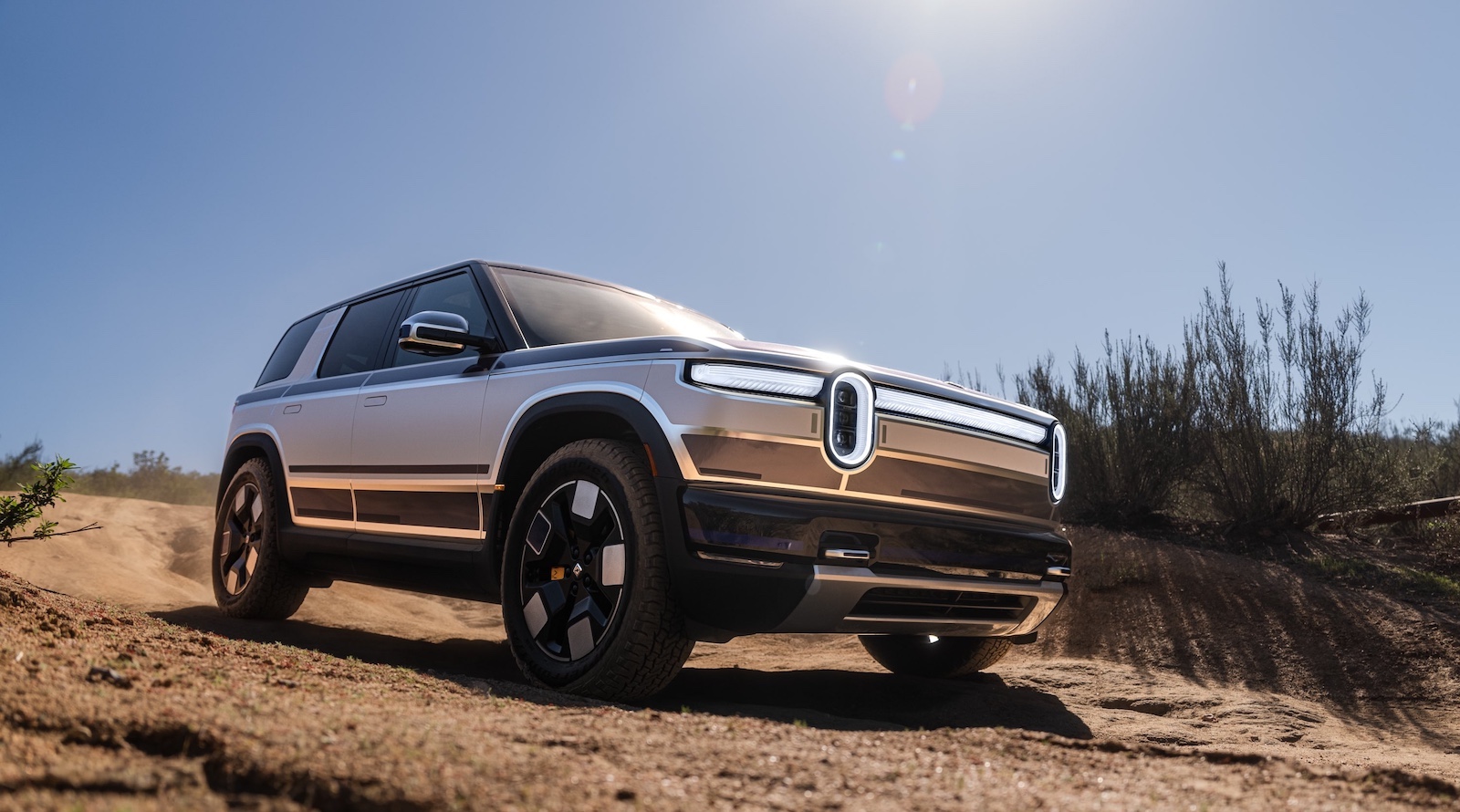
1. Picking a Niche That Tesla Ignored
Tesla rose to fame with sporty sedans and compact SUVs, but the American heartland craves full-size pickup trucks and capable SUVs. Rivian seized this gap with the R1T and R1S, targeting adventurers and outdoor enthusiasts. By focusing on a market segment that Tesla hadn’t yet addressed, Rivian created its own lane without having to directly compete head-on with the market leader. This niche-first strategy allowed the company to build a passionate customer base from day one.
2. The Rise of Lifestyle Electric Vehicles
Consumers increasingly view EVs not just as eco-friendly transportation, but as lifestyle statements. Rivian capitalized on this trend by designing vehicles that blend off-road capability with premium comfort. The R1T’s gear tunnel, camp kitchen, and advanced suspension system appeal to buyers who want to explore the outdoors without leaving a carbon footprint. As more people embrace adventure-focused living, Rivian’s timing aligns perfectly with this cultural shift.
3. A Landmark Partnership with Amazon
Rivian’s strategic alliance with Amazon—including a massive order for 100,000 electric delivery vans and a substantial investment—provided the startup with both capital and credibility. This partnership not only offered a guaranteed revenue stream but also gave Rivian the resources needed to scale production and refine its technology. The Amazon deal also bolstered investor confidence, proving that a corporate giant saw long-term value in Rivian’s platform.
4. Emotional Branding in a Rational Market
While many EV brands market on specs like range and acceleration alone, Rivian connected emotionally with its audience. From the slogan “Keep the World Adventurous Forever” to compelling stories of protecting wild places, Rivian built a brand that resonates with nature-loving, environmentally conscious buyers. This emotional appeal helped the company stand out in a crowded market and fostered loyalty beyond just product features.
5. The Perfect Moment for Truck Electrification
As battery technology matured, the idea of an electric pickup became feasible. Rivian launched the R1T at a time when Ford and GM were still years away from releasing their own electric trucks. The company’s early mover advantage in this lucrative segment allowed it to establish brand preference before the heavyweights arrived. Moreover, the R1T’s impressive specs—over 300 miles of range, 11,000 pounds towing—silenced skeptics who doubted EV capability.
6. A Charging Network That Actually Makes Sense
Rather than building its own proprietary charger network like Tesla, Rivian formed partnerships with existing providers (including ChargePoint and Electrify America) and also developed its own “Waypoints” chargers at adventure destinations. This pragmatic approach ensured that owners could charge both near hiking trails and along highway routes, reducing range anxiety. Rivian’s network strategy also kept costs down while still delivering a seamless experience.
7. Securing Supply Chains and Production Capacity Early
Rivian didn’t just talk about building EVs—it invested heavily in manufacturing infrastructure. The company acquired a former Mitsubishi plant in Normal, Illinois, and retrofitted it to produce vehicles at scale. By securing a dedicated factory and long-term battery supply agreements early, Rivian insulated itself from some of the supply chain chaos that later plagued the auto industry. This forward planning gave the startup a production runway many competitors envied.
8. A Pricing Sweet Spot for the Premium Market
With starting prices around $70,000, the R1T and R1S sit squarely in the premium segment but still undercut some Tesla models and high-end offerings from German automakers. Rivian offered a compelling value proposition: a fully electric, adventure-ready truck with a luxurious interior for a price that many considered reasonable. This pricing strategy attracted buyers who wanted both status and substance, further boosting demand.
9. Timing the Consumer Shift Toward Sustainability
The late 2010s and early 2020s saw a dramatic rise in consumer awareness about climate change and a growing desire to reduce carbon footprints. Rivian entered the market just as this trend peaked, capitalizing on the shift from “want” to “need” for sustainable transportation. Its vehicles were not only zero-emission but also built with sustainable materials and a commitment to carbon neutrality, which resonated with eco-conscious buyers.
10. A Stock Market That Rewarded Ambition
Rivian’s IPO in November 2021 came at a time when investors were hungry for green energy and EV stocks. The company’s valuation soared briefly to over $100 billion, giving it the financial firepower to invest in research, expansion, and production. This favorable market timing allowed Rivian to raise funds at a high valuation, providing a comfortable cushion even as the broader market became more volatile later.
Conclusion
Rivian’s opening was undeniably perfect—not because it arrived first, but because it arrived precisely when the market needed something different. By choosing a niche, building emotional connections, and securing strategic partnerships, Rivian carved out a unique position in the EV ecosystem. While challenges like scaling production and maintaining profitability remain, the company’s timing gave it a head start that many rivals are still struggling to overcome. For those who doubted, Rivian’s story is a textbook example of how to enter a crowded market successfully.
Related Articles
- UK Slashes Green Climate Fund Pledge, Loses Top Donor Status
- How to Get the Most Out of Flutter and Dart at Google Cloud Next: A Step-by-Step Guide
- Sardinia's Renewable Energy Revolt: Why Islanders Say No to Wind and Solar
- Scope 3 Emissions: A Daunting Challenge, But Solutions Exist, Experts Say
- Top Electric Bike and Power Station Deals: Q&A Guide to Today's Best Offers
- Navigating the Arrival of Chinese Electric Vehicles in Canada: A Step-by-Step Guide
- Boosting WebAssembly Performance with Speculative Optimizations and Deopts in V8
- Streamlining Downstream Dataset Migrations with Background Coding Agents: A Step-by-Step Guide