Meta’s Labyrinth 1.1 Delivers Real-Time End-to-End Encrypted Backups – No More Lost Messages
Breaking: Meta Rolls Out Labyrinth 1.1 to Prevent Message Loss Across Devices
Menlo Park, CA – Meta today announced the launch of Labyrinth 1.1, an upgrade to its end-to-end encrypted backup protocol for Messenger. The update introduces a new sub-protocol that encrypts and stores messages as they are sent, eliminating the previous reliance on devices being online to complete backups.
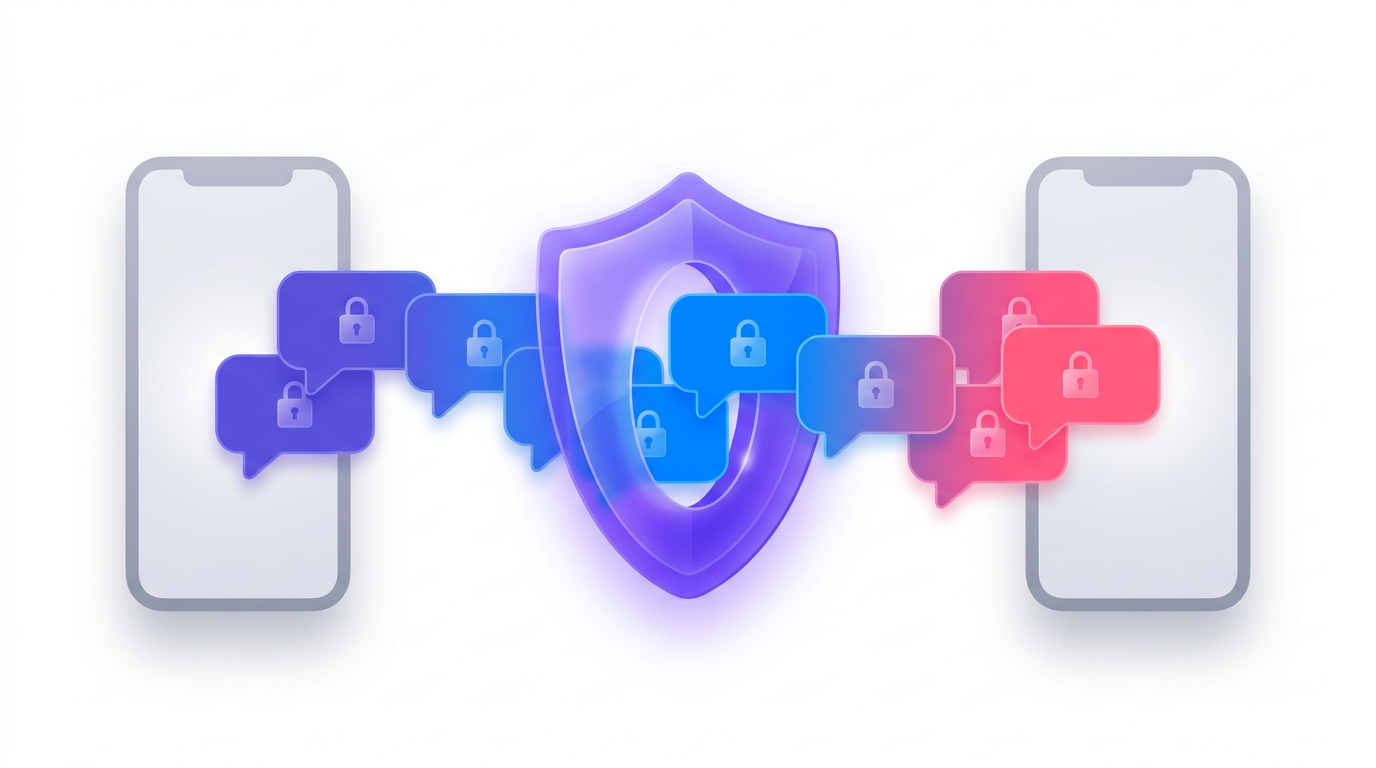
“With Labyrinth 1.1, your message history can survive a lost phone, a device switch, or months away from Messenger,” a Meta spokesperson confirmed. “The sender places each message directly into the recipient’s encrypted backup – like dropping a sealed envelope into a locked box only you can open.”
Background: The Evolution of Encrypted Messaging at Scale
Meta first introduced end-to-end encrypted (E2EE) backups for Messenger in 2023, setting a new industry standard for privacy at scale. The underlying protocol, Labyrinth, ensured that stored message history remained unreadable by anyone except the communicating parties – including Meta itself.
The original design required the recipient’s device to come online before new messages could be added to the backup. That left a window where messages sent during device outages could be lost permanently. Labyrinth 1.1 closes that gap by enabling real-time backup insertion.
What This Means for Users
The practical impact is immediate: when you switch phones or reinstall Messenger after a long break, your entire conversation history is restored – not just the messages that were backed up the last time your device was active. “We’re already seeing meaningful gains in successful backups and full restores,” the spokesperson added.
For journalists, activists, and anyone relying on secure communications, the update removes a persistent reliability concern. It also reinforces Meta’s commitment to making strong encryption invisible: security works best when users don’t have to think about it.
How the New Sub-Protocol Works
Labyrinth 1.1 wraps each message with a unique message encryption key. That key is placed directly into the recipient’s encrypted storage on Meta’s servers the moment the message is sent. The recipient can later retrieve and decrypt it using their own private key – without ever exposing the plaintext to Meta or any third party.
“Think of it as handing a sealed envelope to a secure locker attendant who never looks inside,” explained a Meta engineer. “Your message is stored before you even know the recipient has switched phones.”
Key Improvements in Labyrinth 1.1
- Real-time backup: Messages are encrypted and stored in the recipient’s backup immediately upon sending.
- Device independence: Works even if the recipient’s device is offline, lost, or replaced.
- Zero additional trust: No plaintext data ever reaches Meta’s infrastructure.
- Backward compatible: Existing Messenger encrypted backups remain unaffected.
Rollout and Next Steps
The update is already rolling out broadly to Messenger users worldwide. No action is required; the protocol upgrade happens server-side. Meta has also published an updated version of its technical white paper, “The Labyrinth Encrypted Message Storage Protocol,” detailing the cryptographic changes.
“We encourage security researchers and developers to review the revised specification,” the spokesperson said. “Transparency is a cornerstone of trustworthy encryption.”
Read the White Paper
The updated white paper provides a full description of Labyrinth 1.1, including formal security proofs and implementation guidance. Access it here.
Industry Reaction
Independent cryptographers have praised the update for addressing a real-world usability gap in E2EE systems. “Reliable backups have always been a weak point in encrypted messaging,” said Dr. Emily Tran, a cryptography researcher at MIT. “Labyrinth 1.1 elegantly solves it without weakening security.”
The development underscores a broader trend: as end-to-end encryption becomes standard, the next frontier is backup reliability. Meta’s move positions it as a leader in practical privacy at scale.
Related Articles
- 7 Timeless Lessons from The Mythical Man-Month for Modern Developers
- From Ban to Playback: 10 Crucial Facts About CarPlay Video in iOS 26
- Everything You Need to Know About iOS 27: Rumored Features and Changes
- Understanding HarmonyOS: A Comprehensive Guide to Huawei's Open-Source Operating System and Its Rapid Growth
- How to Shield Your Enterprise Apple Devices from Top Mobile Security Threats
- 10 Things You Need to Know About Windows 11 Personalization Revival
- Kobo's New Collector Cases: A Whimsical Diversion While Ereader Fans Wait for More
- Kubernetes DRA in v1.36: 5 Critical Upgrades for Smarter Resource Management