6 Revolutionary Ways Rollback Netcode Transforms N64 Emulation
For years, retro gaming enthusiasts have longed for a way to play classic Nintendo 64 multiplayer games online with the same responsiveness as local play. The breakthrough has finally arrived with the RMG-K emulator fork, which implements rollback netcode across the entire N64 library. This isn't just a minor patch — it's a game-changer that could breathe new life into beloved titles like Super Smash Bros. and GoldenEye 007. Below, we break down the six most important things you need to know about this development, from the technical magic behind rollback to the community debates it has sparked.
1. What Is Rollback Netcode and Why Does It Matter?
Rollback netcode is a sophisticated online technology that makes fast-paced multiplayer games feel almost as smooth as playing on the same couch. Unlike traditional delay-based netcode — which waits for both players' inputs to sync before displaying anything — rollback predicts what each player will do next. If the prediction is wrong, it quickly "rolls back" and corrects the action, often in a fraction of a frame. The result is dramatically reduced input lag and fewer desyncs. For N64 games that demand split-second precision — think Super Smash Bros. combos or GoldenEye radar gunfights — this can be the difference between a frustrating experience and a truly playable one. The community has long known the theoretical benefits, but actual implementations for N64 have been rare until now.
2. RMG-K Emulator Just Achieved a Milestone for the Entire N64 Library
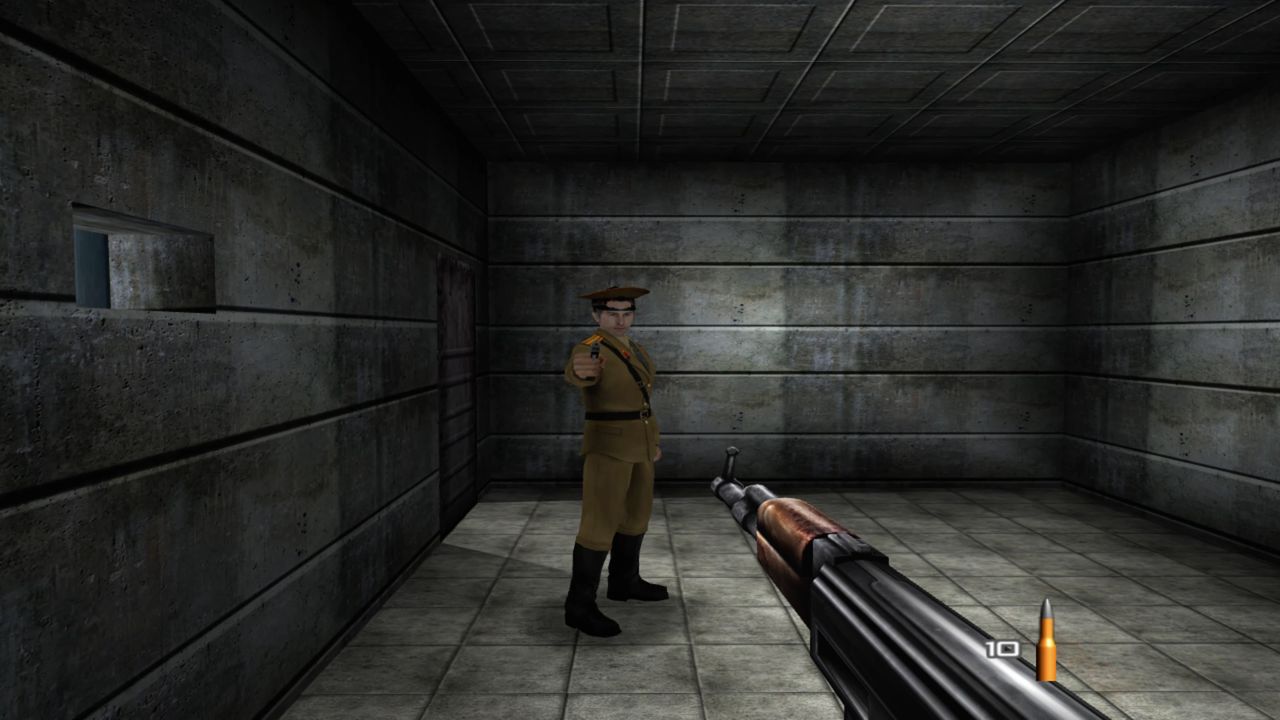
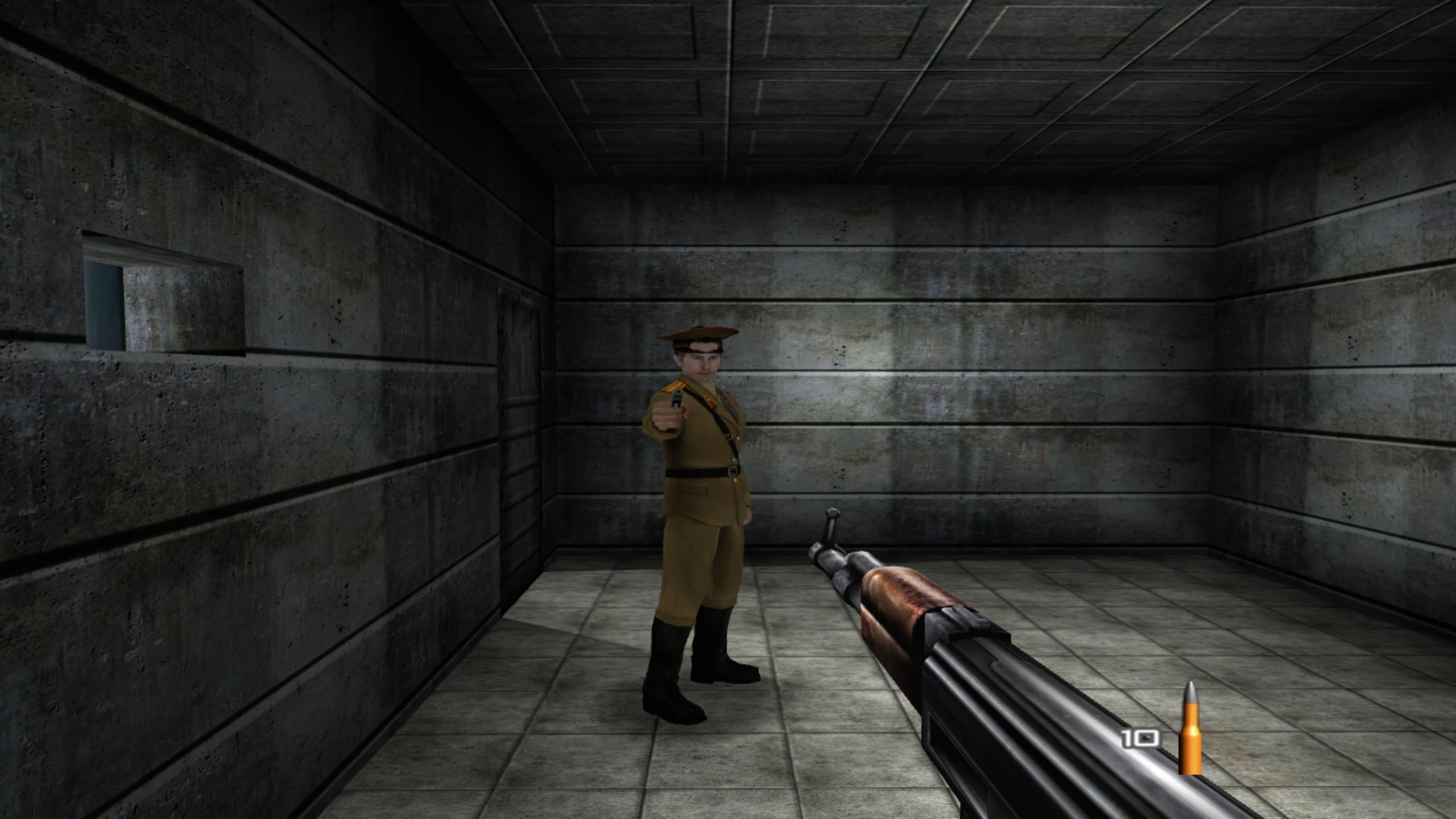
On May 14, 2026, the RMG-K emulator — a fork of the RMG N64 emulator — received a massive update that integrated rollback netcode for every game in the library. While currently limited to two-player sessions, developer CigNus has confirmed the feature is now live. This means you can finally challenge a friend across the globe in Mario Kart 64 or Star Fox 64 without feeling like your inputs are stuck in molasses. The update was shared widely on Bluesky, where user Grasluu00 posted a hands-on test of GoldenEye 007 multiplayer. According to Grasluu, input delay was slashed and desyncs became far less common. They even managed a match from Spain to Australia with only 4 frames of delay — down from the previous 9 frames. For competitive players, that reduction is massive.
3. The Secret Sauce: GekkoNet Framework Does the Heavy Lifting
The rollback implementation in RMG-K is powered by the GekkoNet framework, a tool designed to simplify adding rollback to emulators and fan ports. Creator Heat announced the integration in a post on X, noting that GekkoNet handles the complex rollback logic, allowing developers to focus on game-specific quirks. Programmer NyxTheShield, who worked on RMG-K’s rollback feature, explained on X that GekkoNet "did most of the lifting" — adding rollback "was honestly not that hard." This is a huge deal because it opens the door for other emulators to adopt the same framework. In fact, GekkoNet is already being used in a fan project to port the PS2 version of Street Fighter 3: 3rd Strike natively to PC. The framework appears to be the missing piece that can make rollback a standard feature for retro gaming online.
4. First Impressions: Smash 64 and GoldenEye Show Promising Results
Early tests of the rollback netcode have been encouraging. NyxTheShield posted footage of Super Smash Bros. (N64) in action on X, demonstrating that the combos and movement that define the game remain crisp even over the internet. The footage shows no noticeable lag or stuttering, effectively recreating the local multiplayer experience. Similarly, Grasluu00’s GoldenEye test highlighted both the reduced delay and improved stability. The N64 library includes dozens of competitive multiplayer games — from Perfect Dark to WWF No Mercy — and while some may perform better than others depending on their netcode demands, the foundation is solid. Enthusiasts are already planning online tournaments for titles that were previously considered unplayable outside of LAN parties.
5. A Heated Debate: AI-Assisted Coding Sparks Controversy
While the technical achievement is celebrated, the RMG-K project has also ignited controversy. Rosalie241, the original creator of the RMG emulator, publicly criticized the RMG-K fork for using AI in its development. In a Reddit post, Rosalie said: "RMG-K is insulting; they took RMG's code, vibe coded changes with Claude and then have a donation button in the ReadMe of the project." Rosalie — whose five-year-old Reddit account matches the emulator creator's name — expressed sadness that years of manual effort were essentially wrapped in AI-generated patches. Developers on the RMG-K side, including NyxTheShield and CigNus, have previously acknowledged using AI tools in their coding process. This rift highlights a deeper tension in open-source communities: is speed of innovation worth sacrificing the traditional craftsmanship of hand-written code? The debate is far from settled.
6. What This Means for the Future of Retro Online Gaming
The successful implementation of rollback netcode on an N64 emulator signals a broader shift for retro gaming. If GekkoNet continues to prove itself, we could see rollback adopted by emulators for other consoles — SNES, Genesis, or even PlayStation 1. The fact that a small team used AI assistance to achieve what was once thought too complex for retro platforms suggests that many more classic games could soon have robust online play. However, the controversy over AI coding may slow adoption in some circles, as purists resist what they see as shortcuts. Regardless, for players who just want to relive Mario Party minigames or Killer Instinct combos with friends far away, this is a win. The next step will be scaling from two-player to four-player, and building a reliable matchmaking system.
Conclusion: The RMG-K update proves that rollback netcode is not just for modern fighting games — it can breathe new life into decades-old hardware. While questions about AI use in coding linger, the immediate benefit to the gaming community is undeniable. Whether you are a Smash 64 veteran or a GoldenEye nostalgic, the ability to play online with minimal lag is now within reach. Keep an eye on the RMG-K project and the GekkoNet framework, as they may soon make retro online gaming the new standard.
Related Articles
- Cryptic Crosswords Go Mainstream: Minute Cryptic App Sparks Daily Puzzle Revolution
- 10 Reasons Why Artius: Pure Imagination Is the Sonic Adventure Art Students Need
- Playing NetHack on Retro Platforms: A Guide to MS-DOS Compatibility in 2026
- GameStop's $56 Billion eBay Bid: How Will They Pay?
- Stranger Than Heaven: Everything We Know About RGG Studio's Yakuza Prequel
- Mastering the Steam Controller Purchase: A Step-by-Step Guide to Avoid Payment Errors and Stockouts
- Mastering Prompt Efficiency with AWS Bedrock Advanced Prompt Optimization: A Step-by-Step Guide
- How to Overcome Copyright Infringement Challenges in Game Development: Lessons from Dark and Darker's Legal Victory