10 Key Things to Know About Kevin Warsh's Confirmation as Fed Chair
The Senate's confirmation of Kevin Warsh as the next Federal Reserve chair marks a pivotal moment for U.S. monetary policy and the cryptocurrency landscape. With a narrow 54–45 vote—split almost entirely along party lines—the decision ushers in a new era for the central bank, especially as inflation data complicates the path to rate cuts and a crucial Clarity Act vote looms. Here are ten essential insights into what Warsh's confirmation means for the economy, financial markets, and Bitcoin enthusiasts.
1. The Confirmation Vote Was Historically Divisive
On Wednesday, the Senate voted 54–45 to confirm Kevin Warsh as Fed chair, making it the most contentious confirmation vote for the central bank's top job in modern history. Only one Democrat—Senator John Fetterman of Pennsylvania—crossed party lines to support Warsh, highlighting the deep political divide over monetary policy direction. This near-total party-line vote underscores the high stakes surrounding Warsh's leadership, particularly given President Donald Trump's vocal demands for interest rate cuts. The narrow margin also suggests that Warsh will face significant scrutiny from both sides of the aisle as he navigates the Fed through turbulent economic waters.
2. Warsh Becomes the Wealthiest Fed Chair Ever
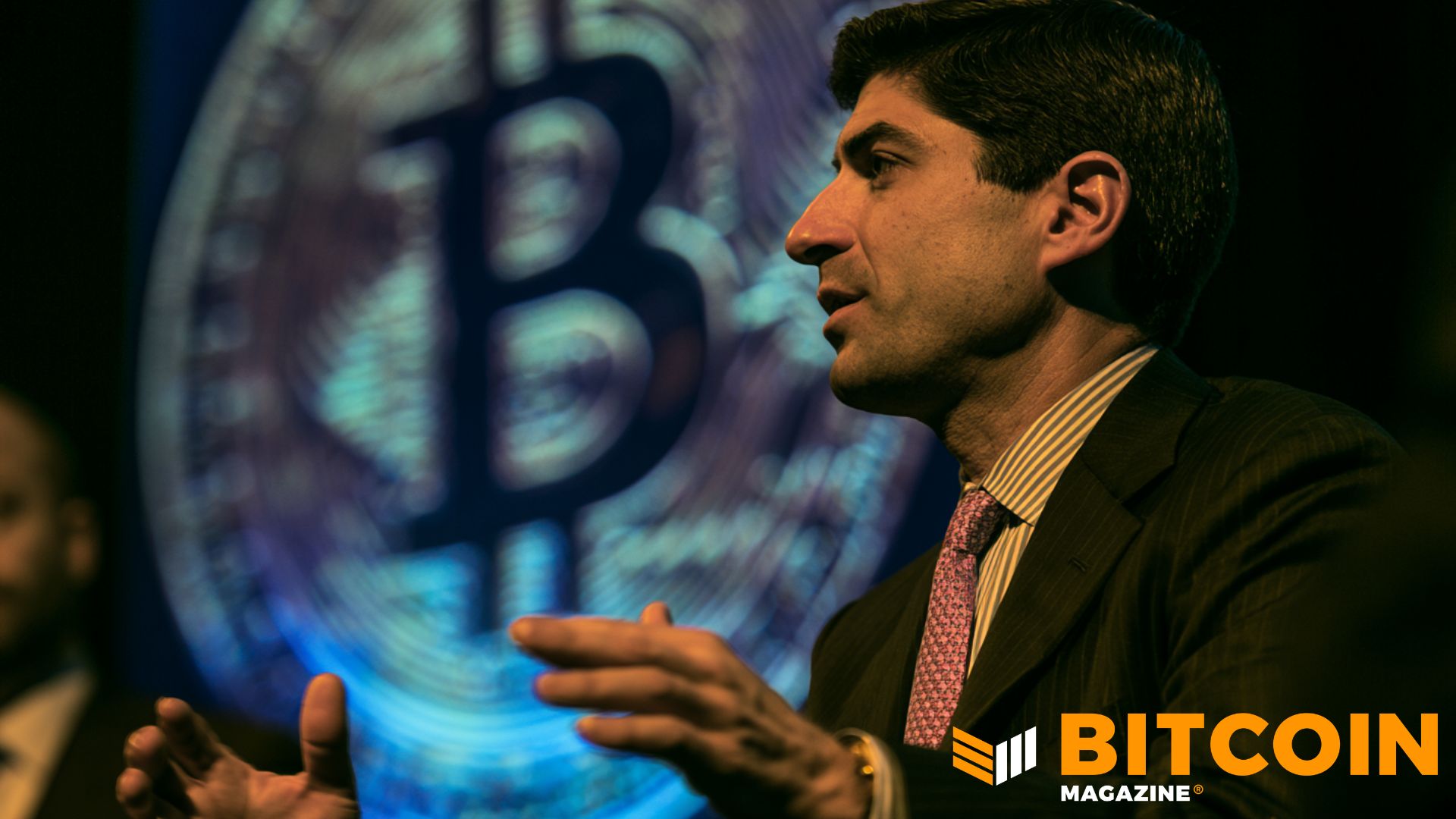
At age 56, Kevin Warsh is not only the 11th Fed chair of the modern banking era but also the wealthiest person ever to hold the position. His financial background includes extensive experience on Wall Street and connections to the cryptocurrency sector, which sets him apart from his predecessors. This personal wealth is expected to influence his perspective on financial regulation, as he may prioritize policies that encourage innovation while maintaining stability. However, critics argue that his wealth could create conflicts of interest, especially given his ties to digital asset firms like Bitwise and Basis, which are discussed later in this list.
3. He Takes Over from Jerome Powell—But Powell Stays On
Warsh succeeds Jerome Powell, whose four-year term as chair expires on Friday, May 15, 2026. However, Powell is not leaving the Fed entirely. He will retain his seat as a board governor through 2028, ensuring continuity but also potentially creating tension with the new chair. Powell's ongoing presence means that Warsh must manage the internal dynamics of the Federal Open Market Committee (FOMC), where some members may still be loyal to the previous administration's policies. This situation is unusual in Fed history and could lead to interesting debates during upcoming meetings, especially on rate decisions.
4. Warsh Has Previous Fed Experience—But It Was Long Ago
Warsh is not a newcomer to the Fed's marble corridors. He served on the Board of Governors from 2006 to 2011, becoming the youngest member in the institution's history at age 35. During that period, he was deeply involved in the Fed's response to the 2008 financial crisis. However, his return comes after a 15-year absence, during which time the economic landscape has transformed dramatically. Critics question whether his previous experience is enough to address current challenges, such as persistent inflation above the 2% target, the economic fallout from the war in Iran, and a looming Supreme Court case over Governor Lisa Cook's fate.
5. Inflation Data Complicates His Path Forward
Just as Warsh was confirmed, fresh inflation data showed pipeline price pressures accelerating at their highest pace in more than three years. This has caused markets to scale back bets on interest rate cuts and even price in a chance of a rate increase later this year. The timing is awkward for Trump, who has loudly demanded rate relief. Warsh's first FOMC meeting as chair is scheduled for June 16–17, and he will have to balance political pressure with data-dependent decision-making. The inflation outlook will likely dominate his early tenure, and his approach could set the tone for monetary policy throughout his term.
6. Trump Chose Him Specifically for Rate-Cut Hopes
President Trump repeatedly clashed with predecessor Jerome Powell over what he viewed as overly restrictive monetary policy. According to sources, Trump selected Warsh from a field of nearly a dozen candidates—including current governors Christopher Waller and Michelle Bowman—with rate relief firmly in mind. Warsh's confirmation thus represents a major political win for Trump, who has made the economy a central plank of his platform. However, with inflation rising, Warsh may not be able to deliver the immediate cuts Trump desires, potentially straining their relationship.
7. He Is the First Fed Chair with Direct Bitcoin Exposure
For the Bitcoin community, Warsh's confirmation carries singular weight. He is the first incoming Fed chair to have held direct exposure to digital assets. This includes an equity stake in Flashnet, a Bitcoin payments startup, as well as ties to crypto index manager Bitwise and stablecoin project Basis. Such connections make him uniquely positioned to understand the cryptocurrency ecosystem, though they also raise questions about potential biases. His personal portfolio could influence his regulatory stance, particularly as lawmakers prepare to vote on the Clarity Act, which aims to provide legal clarity for digital assets.
8. Warsh Calls Bitcoin an Important Asset and a Policeman for Policy
Warsh has publicly described Bitcoin as “an important asset” and “a very good policeman for policy,” arguing that its price reflects real-world confidence in the Fed's inflation management. At a Hoover Institution event last year, he stated, “Bitcoin doesn’t trouble me,” framing it as a signal of monetary credibility rather than a threat to the dollar. This pro-crypto stance is a departure from previous Fed chairs, who have often been skeptical of digital currencies. His views could lead to more accommodating regulation under his watch, benefiting the broader crypto industry.
9. The Clarity Act Vote Is Imminent—And Warsh's Role Is Key
Lawmakers are set to vote on the Clarity Act tomorrow, a bill designed to provide regulatory certainty for cryptocurrencies. Warsh's confirmation ahead of this vote is seen as a positive sign for the bill's prospects, as he is perceived as a crypto-friendly figure. However, the act remains controversial, with some lawmakers arguing it could undermine consumer protections. Warsh's influence could be pivotal in shaping the final version of the legislation or in implementing its provisions through Fed rulemaking. His stance on stablecoins, given his ties to Basis, may also come under scrutiny.
10. His Confirmation Sets the Stage for a New Era in Monetary Policy
Kevin Warsh's arrival marks the beginning of a potentially transformative era for the Federal Reserve. Between persistent inflation, geopolitical tensions, and the growing influence of digital assets, his leadership will be tested like few before him. The Senate's divisive vote underscores the polarization surrounding economic policy, while his unique background offers both opportunities and risks. As the Clarity Act vote approaches and the FOMC prepares for its June meeting, all eyes will be on Warsh to see if he can balance Trump's demands, market expectations, and the Fed's dual mandate of price stability and maximum employment.
In conclusion, Kevin Warsh's confirmation as Fed chair is a landmark event with far-reaching implications. From his historic wealth to his Bitcoin-friendly stance, each aspect of his appointment shapes the future of U.S. monetary policy. Whether he can successfully navigate the challenges ahead—especially the conflicting pressures of inflation and political ambition—remains to be seen. For now, both traditional and crypto markets are watching closely, awaiting his first moves as the nation's top central banker.
Related Articles
- How to Navigate the Shifting Retail Real Estate Market in 2026
- How to Deposit on Aave via MegaETH During the Post-TGE Liquidity Wave
- Snap's Rocky Quarter: Earnings Beat, but AI Deal Loss and Iran Costs Loom
- Digital Rights Movement Transforms from Arab Spring Optimism to Sober Reality, Experts Say
- Enterprise AI at a Crossroads: 95% of Projects Fail as Structural Flaws Exposed
- docs.rs Overhauls Default Build Configuration: Only Single Target by Default Starting May 2026
- UX Design Crisis: AI-Driven Job Demands Force Designers to Code or Be Left Behind
- Why a Bold New Plan Calls for Splitting AEMO and Bringing Transmission Back Under Public Control