Ford Energy: New Subsidiary Powers Up with 20 GWh Battery Storage Production Goal
Introduction
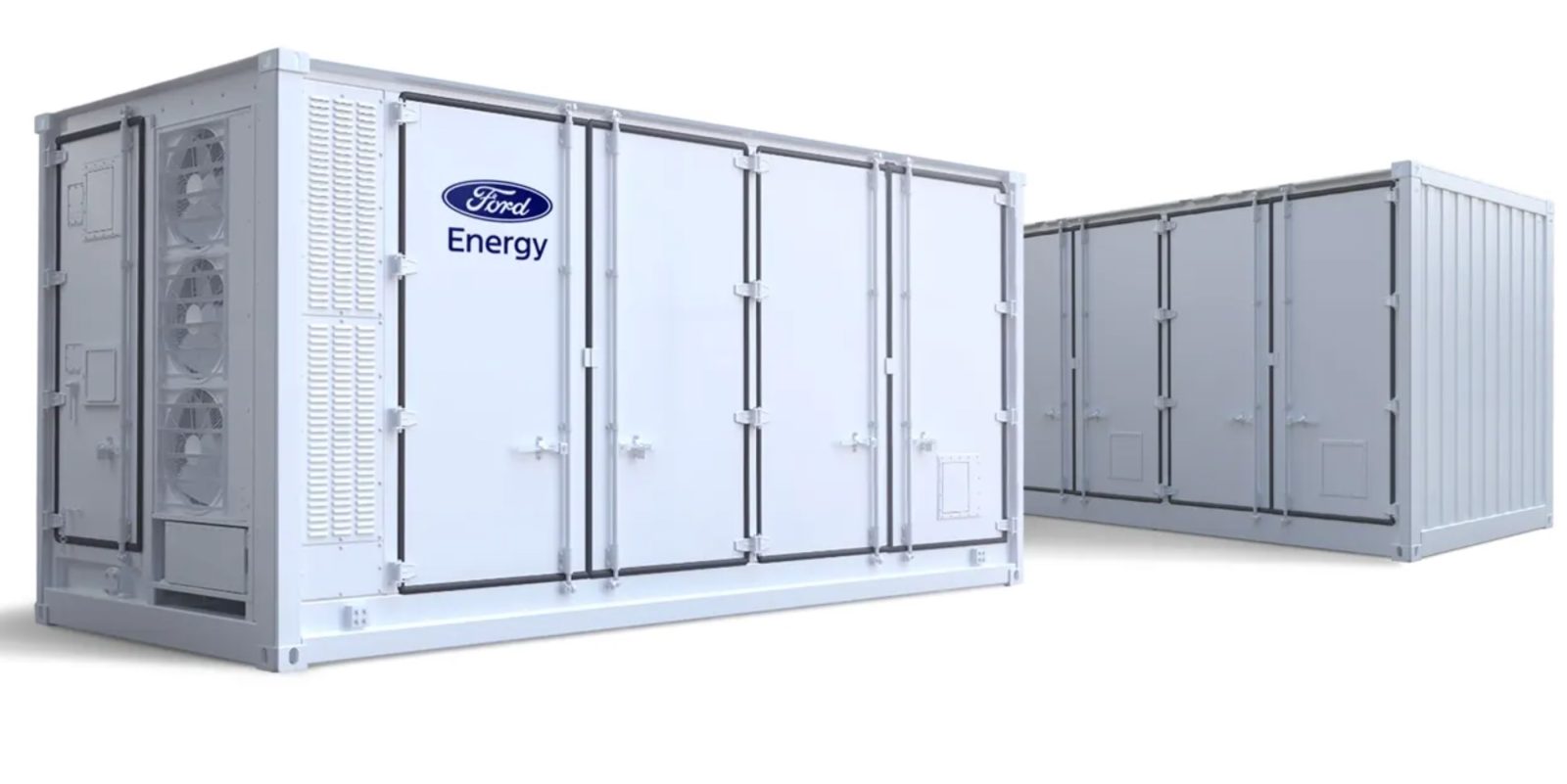
Ford Motor Company has officially launched Ford Energy, a wholly owned subsidiary dedicated to manufacturing and selling U.S.-assembled battery energy storage systems (BESS). Targeting utilities, data centers, and large industrial clients, the new unit aims to produce 20 GWh of energy storage annually from its Kentucky gigafactory. This move marks a strategic pivot from the company's earlier focus on electric vehicle (EV) batteries to the rapidly expanding grid-scale storage market.
The Strategic Pivot from EVs to Grid Storage
Ford's announcement formalizes a months-long transition. The company had been grappling with EV battery overcapacity amid slower-than-expected electric vehicle adoption. Instead of scaling back, Ford is redirecting its battery manufacturing expertise toward energy storage—a sector experiencing explosive growth driven by the rise of AI data centers and the accelerating buildout of renewable energy. The grid-scale storage market is projected to surge in the coming years, and Ford aims to capture a significant share.
Ford Energy's Manufacturing Capabilities
Kentucky Gigafactory Production
The subsidiary will rely on Ford's Kentucky gigafactory, a state-of-the-art facility originally designed for EV battery production. Now, it will produce 20 GWh of energy storage systems annually. The factory will assemble complete BESS solutions—including battery packs, power conversion systems, and thermal management—under the Ford Energy brand. All components will be manufactured in the United States, a key selling point for customers seeking domestic supply chains and potential tax incentives under the Inflation Reduction Act.
Target Customers
Ford Energy will serve three primary customer segments:
- Utilities: To support grid stability, peak shaving, and integration of renewable sources like solar and wind.
- Data centers: To provide backup power and manage intermittent energy loads, especially for AI-driven facilities.
- Large industrial customers: To reduce energy costs through time-of-use optimization and ensure reliable power for critical operations.
Market Context and Demand Drivers
AI Data Centers Power Surge
The rapid expansion of artificial intelligence requires vast computing power, leading to a surge in data center energy consumption. These facilities need reliable, scalable energy storage to manage fluctuating loads and mitigate outages. Ford Energy's BESS solutions are designed to meet these demands, offering rapid response times and minimal maintenance. Analysts predict that AI-related energy demand could increase by 50% by 2030, creating a multi-billion-dollar market for grid-scale storage.

Renewable Energy Integration
The global push toward renewable energy—solar and wind in particular—requires efficient storage to smooth out intermittency. Ford Energy's systems can store excess energy during peak generation and discharge it when demand is high. This capability is critical for utilities aiming to meet clean energy targets while maintaining grid stability. Ford's expertise in battery chemistry and thermal management gives it a competitive edge in this rapidly evolving market.
Implications for Ford and the Energy Sector
For Ford, the launch of Ford Energy represents a diversification strategy that leverages existing investments in battery technology. The company avoids costly write-downs on EV capacity while entering a high-growth sector. For the energy industry, Ford's entry adds a major manufacturer with deep pockets and supply chain expertise, potentially lowering costs and accelerating deployment. The move also aligns with broader trends toward domestic energy security and decarbonization.
Conclusion
Ford Energy is poised to become a significant player in the grid-scale battery storage market, targeting annual production of 20 GWh from its Kentucky gigafactory. By pivoting from EV batteries to energy storage, Ford capitalizes on surging demand from AI data centers and renewable energy projects. The subsidiary's U.S.-assembled BESS solutions offer utilities, data centers, and industrial customers a reliable, domestically sourced alternative. As the energy transition accelerates, Ford Energy could become a key enabler of a cleaner, more resilient grid.
Related Articles
- How to Stay Informed on Electric Vehicle and Sustainable Transport News: A Step-by-Step Guide
- Volkswagen Unveils ID. Polo: A New Era for the People’s Electric Car
- 10 Essential Updates in React Native 0.85: Animation Engine, DevTools, and More
- May Desktop Wallpapers 2026: A Fresh Perspective for Your Screen
- 5 Key Developments in Sustainable Transport: Tesla Semi, Xpeng VLA 2.0, Rivian Earnings, and More
- Unifying Flutter and Dart Websites: A Migration to Jaspr
- 10 Unmissable Opportunities to Meet the Flutter Core Team in 2026
- BYD's Denza Z: The 1,000+ HP Electric Hypercar Set to Challenge Europe's Elite This Summer