Unearthing the Cambrian Explosion: A Field Guide to Fossil Discovery and Evolutionary Revelations
Introduction
Imagine a world 540 million years ago, where the oceans teem with bizarre creatures—phallic worms sifting sediment, blind predators with whip-like tentacles, and early mollusks clinging to the seafloor. This was the Cambrian Period, a time of rapid evolutionary diversification known as the Cambrian Explosion. Recent discoveries of extraordinary fossil deposits have rewritten our understanding of this pivotal era. In this guide, you'll learn the step-by-step process paleontologists use to uncover, analyze, and interpret these treasures, turning ancient remnants into a new chapter of early life history.
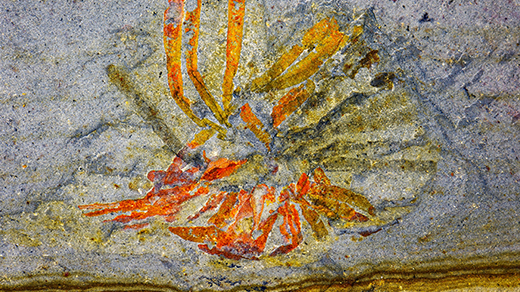
What You Need
- Field Equipment: Rock hammer, chisels, brushes, GPS unit, field notebook, camera, protective goggles, and sturdy boots.
- Knowledge Base: Basic geology (stratigraphy, sedimentary rock types), invertebrate paleontology, and Cambrian taxonomy.
- Laboratory Tools: Microscope, acid baths (for chemical preparation), CT scanner, 3D modeling software, and reference collections.
- Permits and Permissions: Legal access to fossil sites (often requires government or landowner approval).
- Patience and Curiosity: Fossil hunting is meticulous; a single discovery can take years to fully analyze.
Step-by-Step Guide
Step 1: Identify Promising Cambrian Fossil Sites
Start by researching known Cambrian deposits worldwide. Key locations include the Burgess Shale (Canada), Chengjiang fauna (China), and Emu Bay Shale (Australia). Look for fine-grained sedimentary rocks like mudstone, shale, or limestone that preserve soft-body details. Study geological maps to find exposed Cambrian strata—often near mountain ranges, river cuts, or quarry walls. Collaborate with local universities or geological surveys to pinpoint areas with high preservation potential.
Step 2: Conduct a Systematic Field Survey
Once on site, walk transects across the exposure, scanning for broken rock fragments that may contain fossil impressions. Use a GPS to mark coordinates where fossils are found. Note the rock's color, grain size, and bedding orientation. For example, a dark gray shale layer might indicate anoxic conditions favorable for soft-tissue preservation. Photograph the outcrop with a scale bar and record the stratigraphic position (which layer). Collect small samples for laboratory analysis, but leave most specimens in place until a full excavation is planned.
Step 3: Excavate and Preserve Fossils Carefully
When you spot a potential fossil, use a rock hammer and chisel to extract the surrounding rock in blocks, taking care not to damage the specimen. Wrap each block in newspaper or foam, then label with an ID number. For delicate soft-body fossils (like the phallic worms or tentacled swimmers), apply a consolidant (e.g., Paraloid B-72) in the field to prevent crumbling. Transport blocks to the lab for micro-preparation under a microscope using dental tools and fine air scribes.
Step 4: Prepare and Analyze Fossils in the Laboratory
In the lab, remove matrix slowly to expose the fossil. For flattened specimens, use mechanical tools or chemical methods (e.g., weak acids to dissolve carbonate). Scan with CT to reveal 3D internal structures without breaking the rock. Compare the morphology with known taxa in scientific literature and online databases like the Paleobiology Database. Identify key features such as segmentation, appendages, mouthparts, or gut traces that can place it in a evolutionary context.
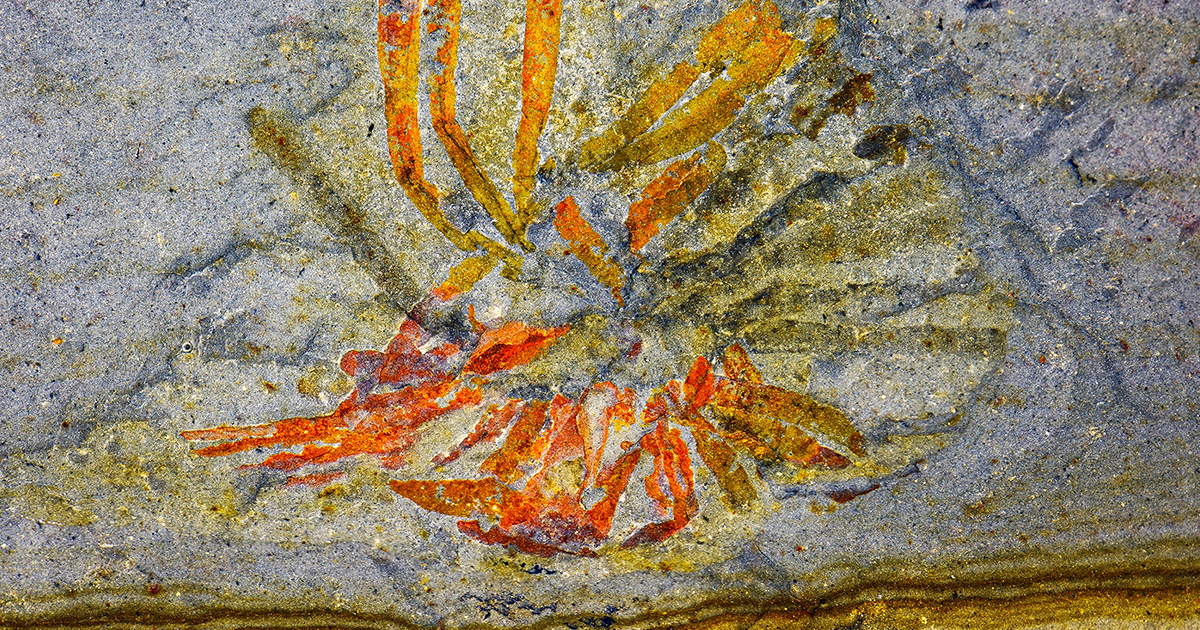
Step 5: Interpret the Evolutionary Significance
With the fossil identified, ask: How does this change our understanding of early animal evolution? For example, the presence of complex sensory structures in blind creatures suggests vision wasn't the primary hunting adaptation. The discovery of early chordates (our ancestors) in the same beds indicates that the Cambrian saw the roots of many modern phyla. Reconstruct the organism's ecology—was it a burrower, swimmer, or predator? Use phylogenetic analysis to infer relationships. Write a paper or share via open-access platforms to contribute to the rewriting of early life history.
Step 6: Publish and Integrate Findings with Global Datasets
Compile your data, photos, and interpretations into a peer-reviewed manuscript. Collaborate with specialists in geochemistry, ichnology, or molecular clocks to test hypotheses. Upload data to repositories like MorphoSource or Figshare. Present at conferences (e.g., Geological Society of America) to receive feedback. Your work may shift narratives—for instance, showing that some Cambrian groups survived mass extinctions longer than thought, or that certain body plans evolved earlier than previously assumed.
Tips for Success
- Learn from the pros: Before heading to the field, visit a museum's Cambrian collection to see examples of well-preserved fossils.
- Keep an open mind: The bizarre nature of Cambrian animals (like the five-eyed Opabinia) often defies easy classification. Embrace the enigma.
- Document everything: Even failed dig sites provide useful negative data. Record why a site was unproductive (e.g., weathering, faulting).
- Protect the site: Backfill holes and avoid over-collection; legally important sites should be left for future research with permits.
- Use technology: Photogrammetry and 3D printing allow virtual sharing of fragile specimens, aiding collaboration without risk of damage.
- Connect with specialists: Many Cambrian treasures are hidden in museum drawers—networking can reveal forgotten specimens that need reanalysis.
By following these steps, you'll be part of a growing community that continues to rewrite the story of early life. Each fossil unearthed adds another piece to the puzzle of how our planet's biodiversity exploded into existence.
Related Articles
- Dreame Unveils Rocket-Powered EV Promising 0-60 in 0.9 Seconds – Claims Met With Skepticism
- 8 Key Insights Into the Appalachian Mountains' Massive Lithium Discovery
- Entering the High-Power Satellite Market: A Step-by-Step Guide Based on Vast's New Initiative
- The Hidden Cost of a 'Bug-Free' Workplace: How Small Interactions Build Strong Teams
- 5 Must-See Tech Deals: Galaxy S26+ All-Time Low, S26 Ultra $435 Off, and More
- The Power of Thought: How Giving AI Models More Time to Reason Improves Performance
- Breaking: Developers Can Now Build and Deploy WebAssembly Apps Entirely in the Browser – No Local Setup Required
- Chrome Sneaks 4GB AI Model onto PCs Without User Consent – Auto-Reinstall Stymies Deletion