New insights into Venusian volcanism from Earth's largest eruption
Introduction
For decades, planetary scientists have debated whether Venus, Earth's so-called sister planet, still experiences active volcanism. While its thick atmosphere and scorching surface have long suggested a geologically dynamic world, concrete proof has remained elusive. Now, a fresh perspective comes from an unexpected source: the 2022 eruption of Mauna Loa in Hawaii, the largest volcano on Earth. New data from this event offers a unique comparative tool to identify volcanic signals on Venus—and could finally settle the question of whether the planet is volcanically alive today.
The case for Venus's volcanic activity
What we already know about Venus's volcanoes
Venus hosts more volcanoes than any other planet in the solar system—over 1,600 major volcanic features, including vast lava plains and towering shield volcanoes. For years, evidence of recent activity has been mounting. Radar images from NASA's Magellan mission in the 1990s revealed surface features that appeared to be relatively fresh lava flows, unweathered by the planet's corrosive atmosphere. In 2023, a study analyzing Magellan data found changes in a volcanic vent over a period of months, suggesting ongoing eruptions. However, without direct observations of molten rock or gas emissions, scientists have remained cautious.
The challenge of proving current volcanism
Proving that Venus is currently volcanically active is tricky. The planet's thick cloud cover prevents optical observation of surface changes. While infrared and radar data can hint at thermal anomalies or new lava fields, distinguishing a fresh flow from an ancient one requires precise timing and multiple passes. This is where the Mauna Loa eruption becomes valuable: it serves as a terrestrial analog for what an active volcanic event might look like on Venus.
The 2022 Mauna Loa eruption
A big event on Earth
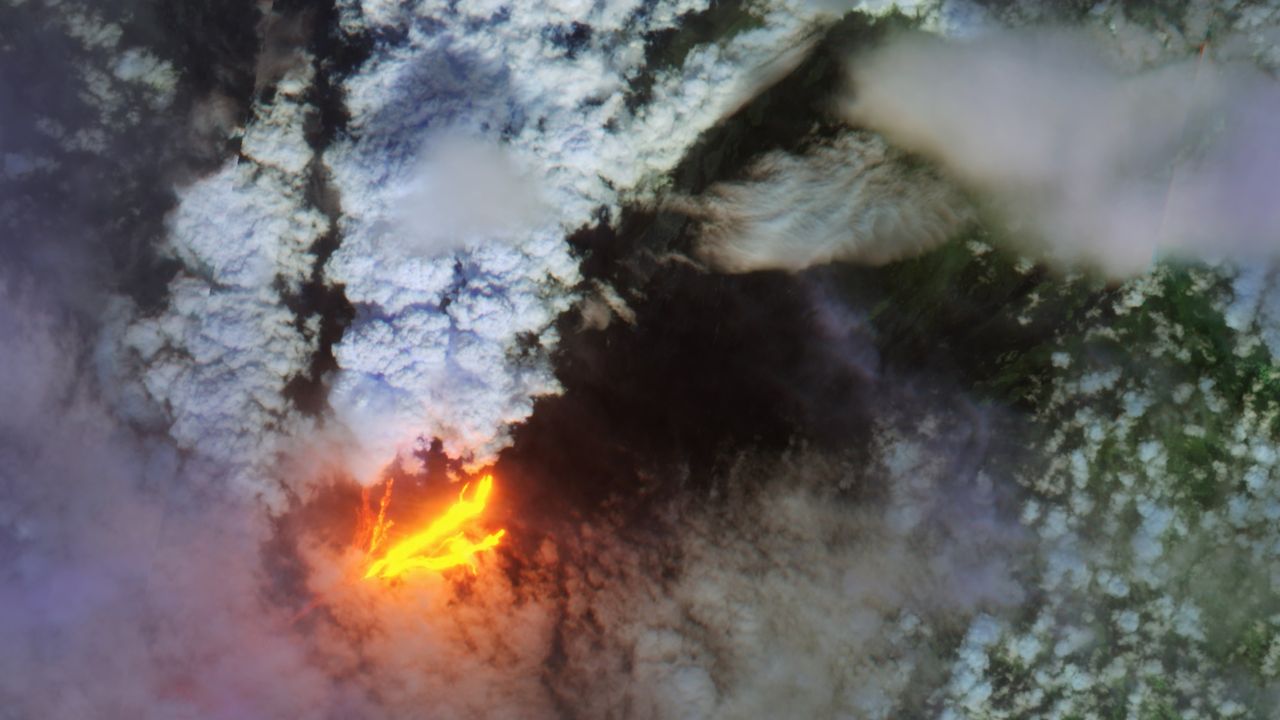
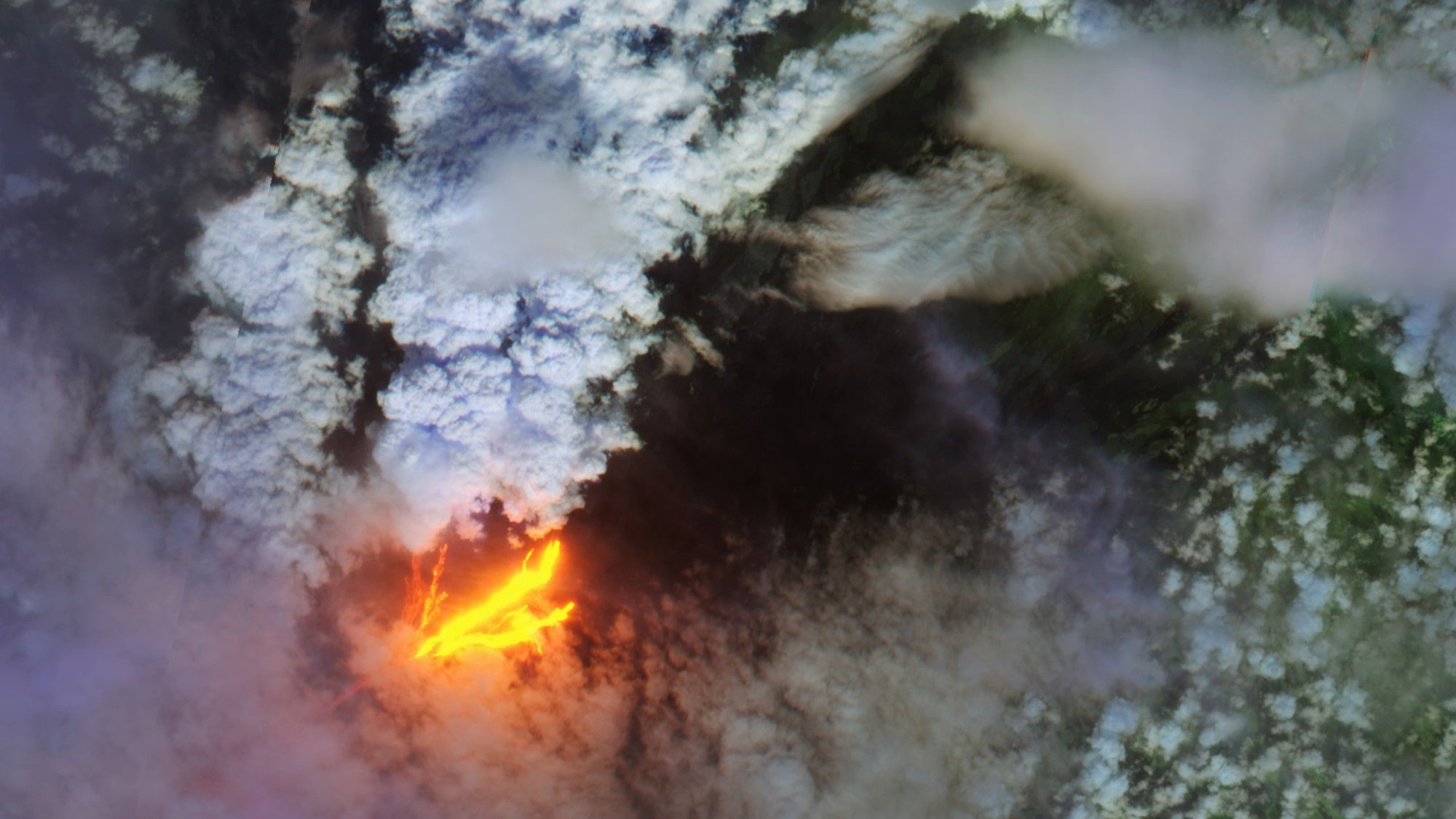
In late November 2022, after decades of quiet, Mauna Loa on the Big Island of Hawaii erupted for the first time since 1984. Lava fountains shot hundreds of feet into the air, and flows advanced toward the main highway, capturing global attention. For scientists, it was a golden opportunity to study a massive, effusive eruption in real time using a suite of modern instruments—including satellite radar, thermal cameras, and gas sensors.
What the data revealed
The eruption lasted about two weeks, producing a 10-mile-long lava flow and releasing vast amounts of sulfur dioxide gas. By analyzing the radar signature of the flow as it cooled and solidified, researchers found a clear signal: a change in surface roughness and texture that appeared in repeat radar images. This is exactly the kind of signal that Venus-orbiting spacecraft could detect—if they observe the right spot at the right time.
How Hawaiian data illuminates Venus
Linking terrestrial and Venusian eruptions
The key insight from the Mauna Loa eruption is that radar data can capture the evolution of a lava flow over days and weeks. On Venus, similar radar observations from orbiters like Magellan—or future missions—could detect changes in surface texture from one visit to the next. If a patch of ground appears smoother in an older image and rougher in a newer one, that could signal a fresh lava flow. The Hawaii data provides a calibration: scientists now know exactly how big a change to expect for a real volcanic event of a certain size.
Matching eruption styles
Not all volcanic eruptions are alike. Hawaii's volcanoes produce fluid, basaltic lava that spreads widely, similar to the flows thought to dominate Venus's plains. The 2022 Mauna Loa event was particularly useful because it generated a large, slow-moving flow that allowed repeated radar imaging. The resulting dataset helps model how fresh lava appears in radar at different times after eruption—information that can be applied directly to Venus.
Implications for future missions
What we hope to find
If scientists can confirm an active eruption on Venus using these techniques, it would revolutionize our understanding of the planet's interior and climate. Venus's thick atmosphere may be sustained partly by volcanic gases—meaning ongoing eruptions could explain why it's so different from Earth. Future missions like NASA's VERITAS (Venus Emissivity, Radio Science, InSAR, Topography, and Spectroscopy) and ESA's EnVision will carry advanced radar systems designed to measure surface changes. The Mauna Loa data will help them know what to look for.
Refining the search
Rather than searching blindly, scientists can now prioritize regions on Venus that match the geological context of Hawaii—large, shallow magma chambers and abundant rift zones. By comparing radar signatures from the 2022 eruption with Magellan archive images, researchers have already identified a few candidate sites on Venus that show possible changes. If those are confirmed by upcoming missions, it could provide the first definitive proof of active volcanism on another terrestrial planet in our solar system.
Conclusion
The question "Is Venus volcanically active?" has moved from pure speculation to a testable hypothesis, thanks in part to a big eruption on Earth. The 2022 Mauna Loa event gave scientists a detailed, real-world example of how active volcanism appears in radar data—a tool that can now be turned toward Venus. While we await the launch of the next generation of Venus explorers, the evidence continues to mount. Whether it's a steady trickle of lava or occasional planet-wide resurfacing, Venus may be far more dynamic than we ever imagined.
Related Articles
- Amazon WorkSpaces Now Lets AI Agents Securely Access Legacy Desktop Applications
- How Scientists Uncover Medical Treasures from Coral Reef Microbes
- 7 Ways Drone Radar Is Revolutionizing Water Discovery on Mars
- NotebookLM: When Your Knowledge Base Outpaces the Tool
- The Science of Travel: How New Experiences Fight Aging and Boost Vitality
- How Scientists Uncovered the Cosmic Sweet Spot That Makes Life Possible
- Decoding Semantic Search: A Practical Guide to Vector Databases vs. Traditional Text Search
- Coffee's Hidden Power: Gut and Brain Rewired by More Than Caffeine