The Surprising Kidney-Saving Power of a Constipation Drug: A Comprehensive Guide
Overview
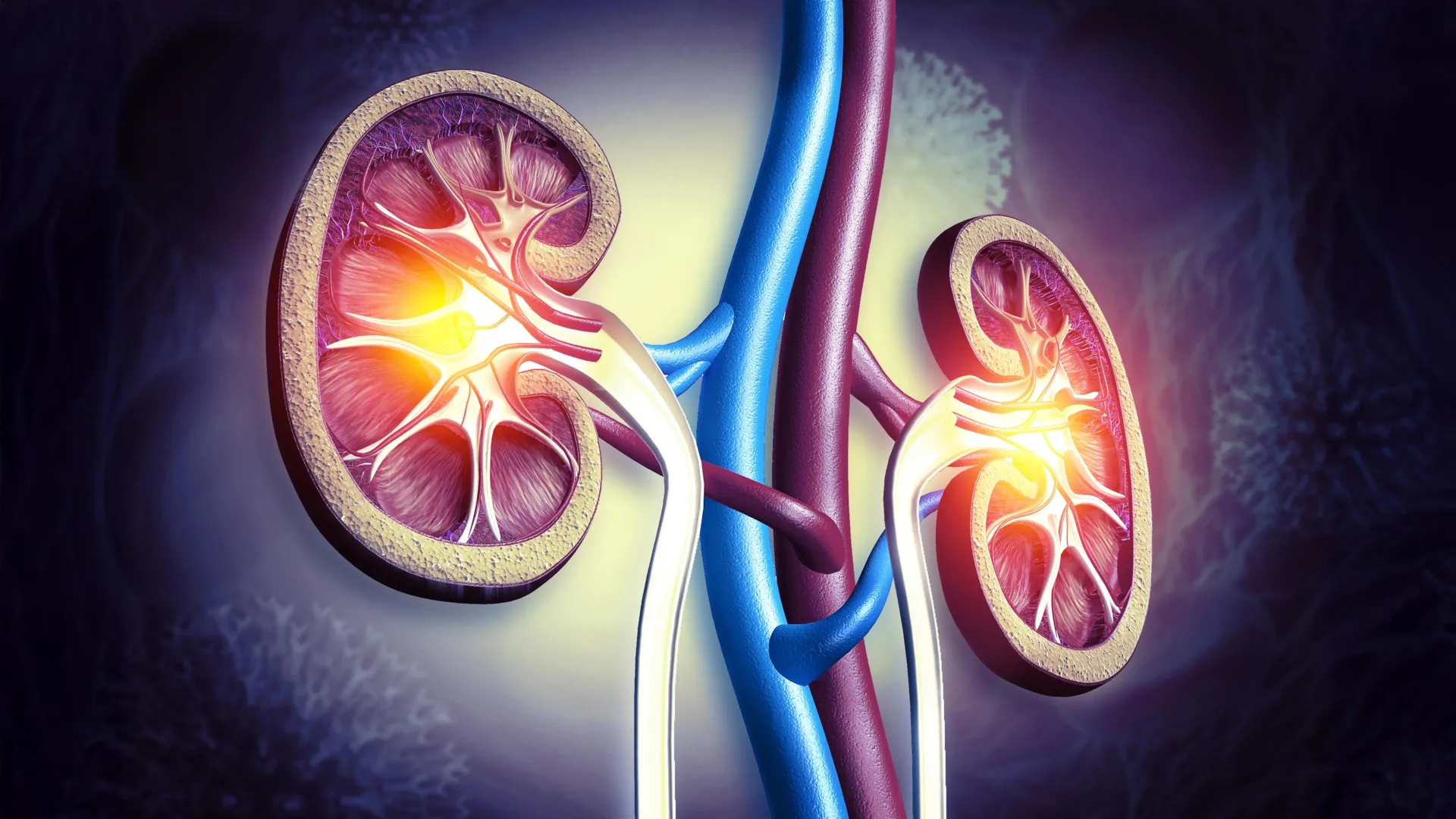
Chronic kidney disease (CKD) is a progressive condition that affects millions worldwide, often leading to dialysis or kidney transplant. While current treatments focus on managing blood pressure and blood sugar, a recent clinical trial has uncovered an unexpected ally: lubiprostone, a medication commonly prescribed for constipation. Researchers discovered that this humble drug can slow CKD progression by altering the gut microbiome to boost production of a compound called spermidine, which in turn protects mitochondria in kidney cells. This guide breaks down the science behind this breakthrough, explains the clinical evidence, and provides practical insights for patients and healthcare professionals.
Prerequisites
To fully appreciate this guide, you should have a basic understanding of:
- How chronic kidney disease is staged (stages 1 through 5) and what it means for kidney function.
- The role of the gut microbiome in human health.
- Basic concepts of mitochondrial biology (energy production and oxidative stress).
No advanced medical degree is required, but familiarity with these topics will help you grasp the mechanisms discussed.
Step-by-Step: The Chain of Events from a Constipation Drug to Kidney Protection
Step 1: Recognizing the Scope of Chronic Kidney Disease
Chronic kidney disease affects about 1 in 7 adults in the United States. The condition is characterized by a gradual loss of kidney function, measured by estimated glomerular filtration rate (eGFR). In moderate CKD (stage 3), eGFR falls between 30 and 60 mL/min/1.73m². As CKD progresses, waste products accumulate, leading to cardiovascular complications and eventual kidney failure.
Step 2: The Gut–Kidney Axis – How Your Gut Microbiome Influences Kidney Health
The gut microbiome consists of trillions of bacteria that produce various metabolites. Some of these metabolites, like uremic toxins (e.g., indoxyl sulfate and p-cresol), are harmful to kidneys. Conversely, other bacterial products can be protective. The recent trial suggests that lubiprostone tilts the balance toward protection by increasing the abundance of bacteria that produce spermidine.
Step 3: Lubiprostone – Beyond Constipation Relief
Lubiprostone is a prostaglandin E1 analog that activates chloride channels in the intestines, softening stool and easing constipation. But the drug also influences the gut environment in ways that go beyond bowel movements. In animal studies, lubiprostone was shown to reduce gut permeability and decrease the translocation of bacterial toxins into the bloodstream. The clinical trial on CKD patients confirmed that these effects extend to human kidney protection.
Step 4: Spermidine – The Mitochondrial Guardian
Spermidine is a polyamine compound naturally produced by gut bacteria and found in foods like aged cheese and mushrooms. It has known anti‑aging properties, including enhancing mitochondrial function and reducing inflammation. In the context of CKD, spermidine appears to:
- Stimulate mitophagy – the removal of damaged mitochondria.
- Reduce oxidative stress and fibrosis in kidney tissue.
- Improve energy metabolism in kidney cells.
The trial measured spermidine levels in patients’ blood and found a significant increase after 12 weeks of lubiprostone treatment, correlating with preserved eGFR.
Step 5: The Clinical Trial – Design and Results
Researchers enrolled 150 patients with moderate CKD (stage 3). Participants were randomly assigned to receive either lubiprostone (24 µg twice daily) or a placebo for 12 weeks. Key outcomes included:
- eGFR change: The lubiprostone group showed a stabilization or slight improvement in eGFR, while the placebo group experienced a significant decline.
- Gut microbiome analysis: Stool samples revealed an increase in Lactobacillus and Bifidobacterium species, known to produce spermidine.
- Blood spermidine levels: Increased by an average of 35% in the treatment arm.
- Mitochondrial markers: Urinary markers of mitochondrial damage decreased.
The study was published in a peer-reviewed journal and is now being considered for larger phase 3 trials.
Common Mistakes and Misunderstandings
Mistake 1: Thinking the Drug Directly Repairs Kidneys
Lubiprostone does not directly act on kidney cells. Its protective effect is mediated entirely through the gut microbiome and spermidine. Patients should not expect immediate improvements in kidney function from taking the drug for constipation.
Mistake 2: Assuming It Works for All CKD Stages
The trial only included stage 3 CKD. It is unknown whether lubiprostone benefits early or advanced stages. Using it without medical supervision could expose patients to side effects (e.g., diarrhea, nausea) without proven benefit.
Mistake 3: Replacing Current CKD Treatments
Lubiprostone is not a substitute for ACE inhibitors, SGLT2 inhibitors, or blood pressure control. It would likely be used as an add‑on therapy if larger trials confirm its efficacy.
Mistake 4: Assuming Any Constipation Drug Works the Same
Other laxatives (e.g., bisacodyl, polyethylene glycol) do not share the gut‑microbiome‑modulating properties of lubiprostone. Only lubiprostone has been shown to elevate spermidine in CKD patients.
Summary
Lubiprostone, a common constipation drug, protects kidneys in moderate CKD by altering gut bacteria to boost spermidine, reducing mitochondrial damage. A 12‑week trial showed stabilized kidney function. While not a standalone treatment, it offers a promising new avenue for slowing CKD progression through the gut–kidney axis.
Related Articles
- How to Respond to a Suspected Hantavirus Outbreak on a Cruise Ship: A Step-by-Step Guide
- Rivian's Q1 2026 Earnings: R2 Production Begins and Sales Surge
- Trump Reverses Surgeon General Pick: 10 Key Facts About the Switch from Casey Means to Nicole Saphier
- The Healing Power of Honey: Fact or Fiction?
- A DNA-Based Revolution in Cholesterol Management: Answers to Key Questions
- Mastering Log Cost Management with Adaptive Logs Drop Rules
- Rapid 3D Brain Imaging Using Chaotic Laser Light: A Step-by-Step Protocol
- Breakthrough: Simple Act of Tightening Abs Triggers Brain's Natural Waste Removal System