New insight into fat cell biology redefines obesity and metabolic disease understanding
Scientists have made a groundbreaking discovery that challenges decades of understanding about how fat cells work. Hidden inside fat cells, a protein called HSL performs a dual role: it not only releases stored fat for energy but also regulates the health and balance of the cell's nucleus. This finding rewrites the narrative of obesity, showing that missing HSL doesn't lead to obesity as once thought, but instead causes a dangerous loss of fat tissue known as lipodystrophy. Below, we answer key questions about this surprising revelation.
What did scientists unexpectedly discover about fat cells?
Researchers found that a protein long known for its role in breaking down stored fat inside fat cells also has a secondary, vital function within the cell's nucleus. This discovery overturns the conventional view that the protein, named HSL, solely acts to release fat for energy when the body needs fuel. Instead, HSL also helps maintain the health and stability of the nucleus, the control center of the cell. This hidden task means that fat cells are more complex than previously assumed, and it opens new pathways for understanding how metabolic diseases like obesity and lipodystrophy develop.
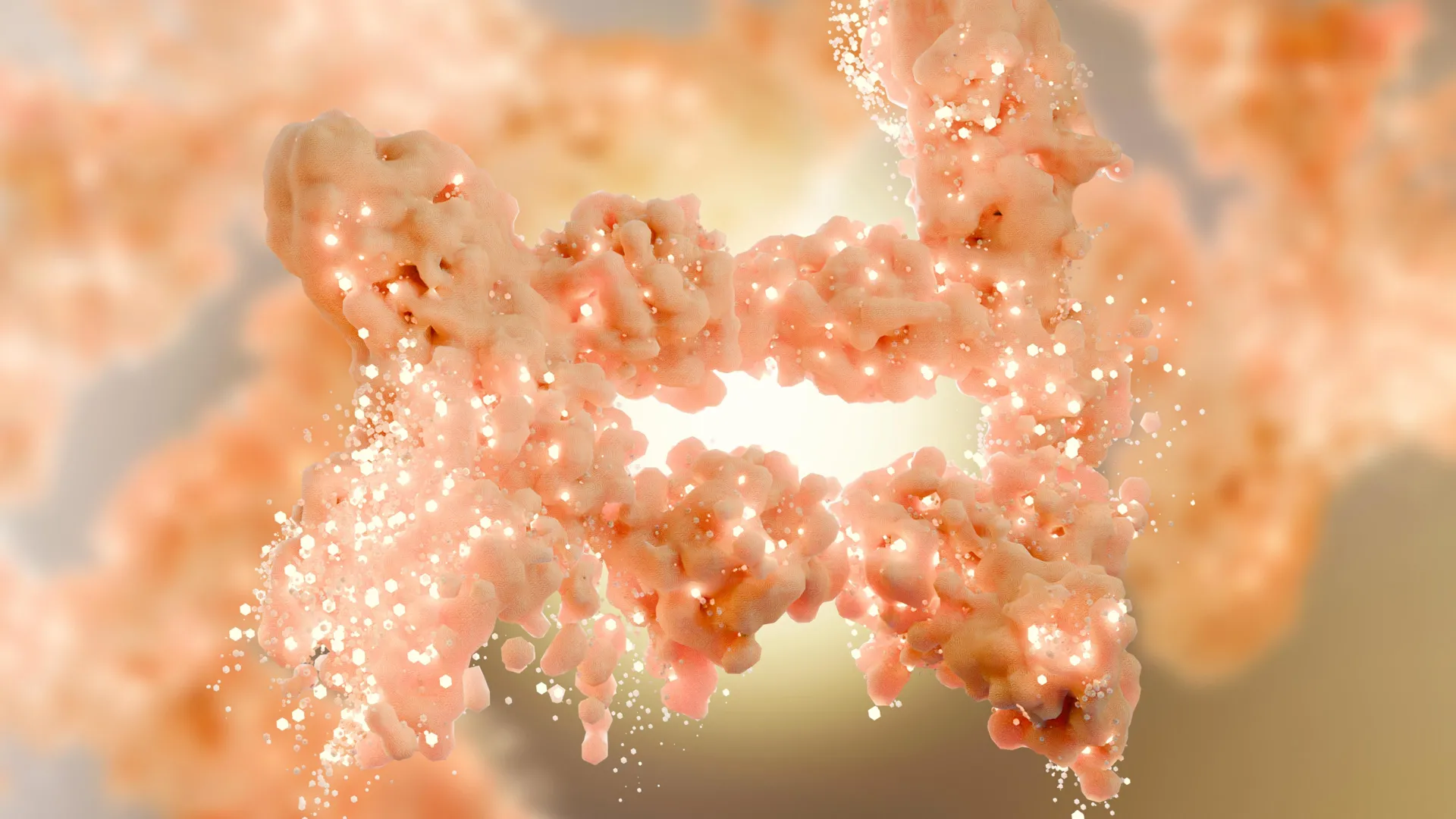
What is the HSL protein and what was its originally known function?
HSL stands for hormone-sensitive lipase, a protein that has been studied for decades. Its primary job was thought to be breaking down triglycerides (stored fat) inside fat cells into free fatty acids, which are then released into the bloodstream to provide energy for the body. This process is controlled by hormones like adrenaline. For years, scientists believed that HSL's activity was limited to the cytoplasm of fat cells, where it interacts with lipid droplets. The new finding changes this understanding completely.
What additional role does HSL play inside fat cells?
Beyond its fat-releasing duties in the cytoplasm, HSL also travels into the nucleus of fat cells. There, it helps regulate gene expression and maintain cellular balance. Specifically, HSL influences how DNA is packaged and accessed, affecting the production of proteins that keep fat cells healthy. Without this nuclear function, fat cells become vulnerable to stress and damage, leading to the breakdown of the tissue itself. This dual life of HSL means it is essential for both energy metabolism and the structural integrity of fat cells.
What happens to organisms that lack the HSL protein?
Surprisingly, when scientists studied mice and humans missing the HSL protein, they did not become obese as one might expect if fat breakdown were impaired. Instead, they experienced a condition called lipodystrophy, where the body loses its fat tissue in an abnormal and dangerous way. This loss of fat leads to severe metabolic problems, including insulin resistance, high blood fats, and fatty liver disease. The finding shows that HSL is critical not for causing obesity but for preserving fat tissue itself, and its absence triggers a different kind of metabolic crisis.
How does this discovery change our understanding of obesity and metabolic disease?
For decades, scientists assumed that if a protein involved in fat release was disabled, fat would accumulate, leading to obesity. The new research proves the opposite: disabling HSL causes fat loss, not fat gain. This shifts the focus from simply understanding how fat is broken down to how fat cells maintain their identity and function. It also suggests that other proteins may have hidden roles that could be targeted to treat both obesity and lipodystrophy. The discovery underscores that metabolic diseases are not always about how much fat we have, but how healthy and functional our fat cells are.
What is lipodystrophy and how is it related to the HSL protein?
Lipodystrophy is a rare disorder characterized by the loss of adipose tissue (body fat) in specific areas or throughout the body. It leads to serious metabolic complications because fat cells are essential for storing energy and regulating hormones. The discovery that HSL deficiency causes lipodystrophy reveals that this protein is key for the survival of fat cells. When HSL cannot perform its nuclear duties, fat cells cannot maintain their health and eventually die off. This connection provides a new avenue for understanding and potentially treating lipodystrophy, which currently has limited options.
What are the potential implications of this finding for future treatments?
This breakthrough could lead to novel therapies for both obesity and lipodystrophy. For obesity, instead of targeting fat breakdown, treatments might aim to protect the nuclear function of proteins like HSL to keep fat cells healthy while reducing harmful fat accumulation. For lipodystrophy, understanding how to restore or mimic HSL's nuclear role could help preserve fat tissue. Additionally, this research highlights the importance of looking beyond the known functions of proteins, opening the door to many more discoveries that could revolutionize how we treat metabolic diseases.
Related Articles
- The Surprising Brain-Cleansing Power of Everyday Movement
- Trump's Psychedelic Order Sparks Debate Over Racial Equity in Drug Research
- FDA Appoints Katherine Szarama as Interim Leader of Biologics and Vaccine Center
- From Last Resort to First Line: Why Genetic Testing Belongs in Everyday Medicine
- FDA's New Vaccine and Biologics Chief: What You Need to Know
- Boost Your Brain Health: A Step-by-Step Guide to Adding Eggs to Your Diet
- Ozempic and Wegovy: Untapped Mental Health Benefits Revealed in Decade-Long Study
- Mother of Mila Launches New Biotech to Scale Bespoke Genetic Medicines After Previous Startup Collapsed