AI and Energy: How the Genesis Mission Aims to Power America's Future
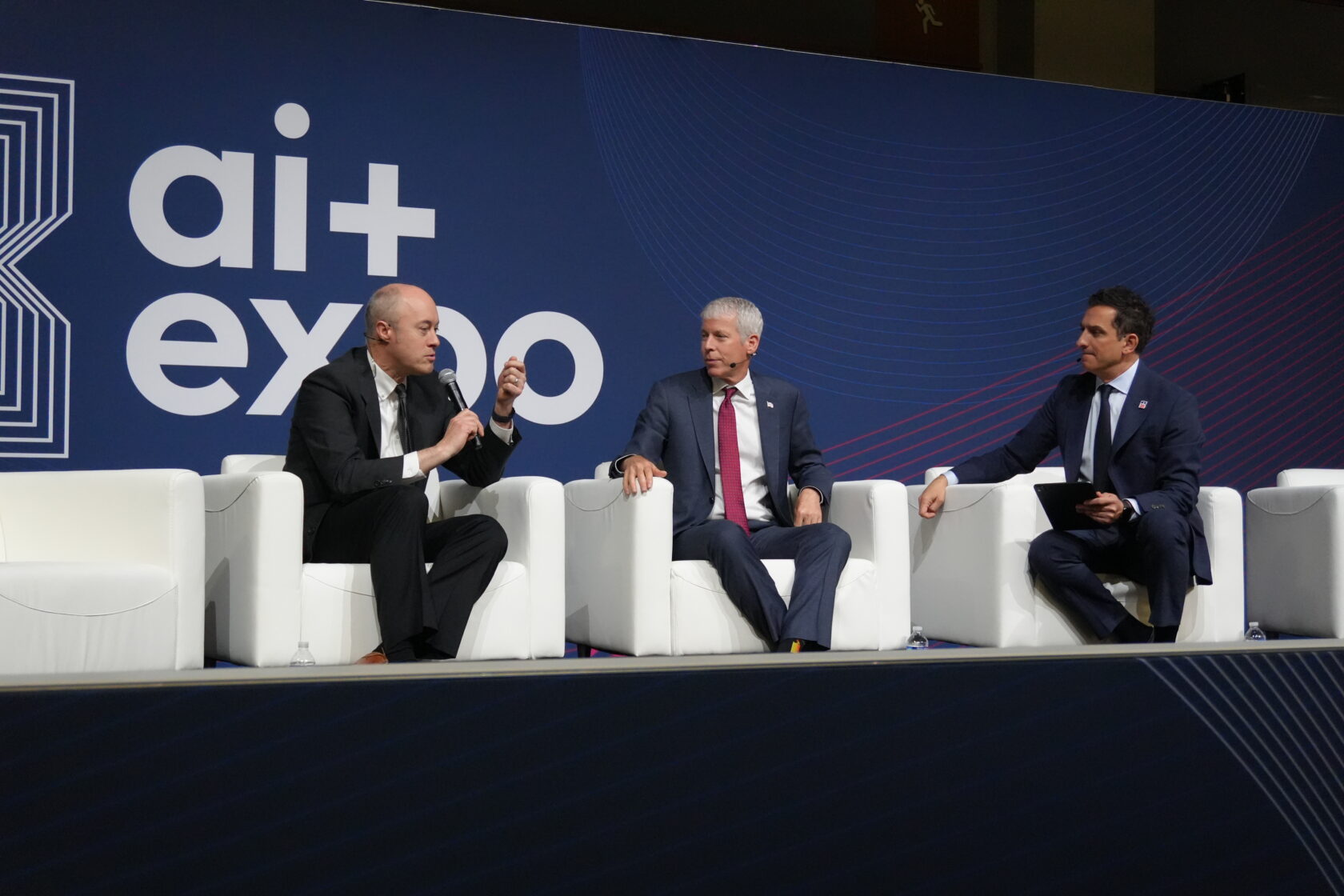
The relationship between artificial intelligence and energy is rapidly evolving, with leaders from the U.S. Department of Energy (DOE) and NVIDIA outlining a vision where AI helps build the very energy infrastructure it relies upon. This central theme emerged during a fireside chat at the SCSP AI+ Expo, featuring Energy Secretary Chris Wright and NVIDIA Vice President Ian Buck. The discussion, titled “Powering the Next American Century,” made a compelling case that American leadership in AI depends on American leadership in energy production and innovation.
The Core Argument: Energy Is Life
Secretary Wright opened with a straightforward maxim: “Energy is life. The more energy you have—and the more affordable it is—the greater the opportunities for society.” This principle underpins the entire Genesis Mission, a DOE initiative that applies AI to accelerate scientific discovery. According to Buck, NVIDIA is fully committed to Genesis, describing it as the most exciting collaboration he has seen between the labs and industry. The partnership leverages two decades of NVIDIA building supercomputers with national laboratories, creating a foundation for unprecedented scientific progress.

The Genesis Mission: AI for Scientific Discovery
The Genesis Mission represents a strategic push to use AI in tackling some of the nation’s toughest scientific challenges. The DOE brings 17 national labs, a wealth of scientific talent, pressing national problems, and vast datasets. NVIDIA contributes its full stack—not only chips but also algorithms, methodologies, and a long history of collaboration with the labs. As Buck noted, “NVIDIA is 100% invested in Genesis. The excitement across the lab and industry is unlike anything I’ve seen before.” This mission is not just about building tools; it is about creating a shared ecosystem where cutting-edge AI hardware and software are made accessible for global science.
DOE and NVIDIA Partnership: Building AI Supercomputers
At the heart of this collaboration are two massive AI supercomputers being constructed at Argonne National Laboratory. These machines are designed to serve as a national resource for scientific AI workloads.
Equinox and Solstice: Next-Generation Supercomputers
The first supercomputer, Equinox, is currently being deployed with 10,000 NVIDIA Grace Blackwell GPUs. Buck emphasized that these are the same GPUs and software used to train the AI models enjoyed today, ensuring that scientific applications benefit from the same advanced technology. The second system, Solstice, will be even more ambitious, incorporating 100,000 GPUs based on the next-generation NVIDIA Vera Rubin architecture. To put that in perspective, Buck noted that Solstice will deliver 5,000 exaflops of computing power—five times greater than the combined performance of the entire TOP500 supercomputer list. “We are creating the same technology, hardware, and software building blocks used by major AI labs around the world, and making them available for all of science,” he explained.
Practical Applications: AI Models for Fusion Research
The vision extends beyond hardware. Buck described an open-source NVIDIA AI model trained on 1.5 million physics papers, then fine-tuned on 100,000 papers specifically about nuclear fusion. The result is a specialized AI agent that DOE researchers can query to accelerate their work on fusion energy. This practical example shows how AI can help solve one of humanity’s greatest energy challenges. By making such models openly available, the partnership aims to democratize access to cutting-edge AI tools for scientists worldwide.
Challenges and the Pace of Building
Secretary Wright acknowledged that the energy sector has faced challenges in keeping pace with technological change. Over the past 20 years, building new energy infrastructure has become slower and more expensive due to regulatory hurdles and supply chain issues. However, he expressed optimism that AI can help optimize existing systems and speed up permitting and design processes. The Genesis Mission is seen as a way to not only advance science but also to improve the efficiency of energy production and distribution.
Conclusion: A Shared Vision for American Leadership
The fireside chat made clear that the DOE and NVIDIA are aligned on a common goal: ensuring the United States leads in both AI and energy. By integrating AI into every aspect of scientific research and energy production, the Genesis Mission aims to create a virtuous cycle where better energy enables more powerful AI, and smarter AI helps build a more resilient energy grid. As Secretary Wright summarized, “The more energy you have, the more opportunities you have—and AI is our best tool to unlock that future.” For those interested in the broader implications, the event also featured other NVIDIA leaders discussing AI careers, physical AI, and global infrastructure, signaling that the Genesis Mission is part of a larger movement toward an AI-accelerated American century.
Related Articles
- WattEV Inks Landmark 370-Tesla Semi Order for Massive California Electric Truck Rollout
- Beyond Limestone: How Alternative Rock Types Could Slash Cement's Carbon Footprint
- How Defense Contracts Are Fueling Next-Gen EV Battery Development
- Flutter’s Big Moment at Google Cloud Next 2026: Key Announcements and Experiences
- Evaluating Tesla's Solar Offerings: From Solar Roof to Panels – A Homeowner's Guide
- Classic 1966 Ford Mustang Gains Tesla Tech with Working Full Self-Driving – A Historic EV Conversion
- Spanish Energy Giant Files First Forest Wind Farm Proposal for Federal Approval
- From Promise to Pavement: A Practical Guide to Evaluating Autonomous Trucking Readiness vs. Passenger Car FSD