8 Key Facts About the Blood Test That Could Predict Depression Before It Strikes
Imagine a future where a routine blood draw could alert you to the risk of depression long before you ever feel its weight. A groundbreaking study has brought this possibility closer to reality by linking accelerated aging in certain immune cells to the earliest signs of depression. Here are eight essential insights into this promising research and what it could mean for mental health care.
1. The Study's Core Discovery: Immune Cell Aging as a Depression Marker
Researchers have identified a direct correlation between the biological age of specific white blood cells—monocytes—and the onset of depressive symptoms. As these cells show signs of premature aging, individuals appear to be at higher risk for developing emotional and cognitive symptoms long before a clinical diagnosis. This suggests that the immune system's health may serve as an early warning system for mental health challenges.
2. How the Blood Test Works: Tracking Monocyte Aging
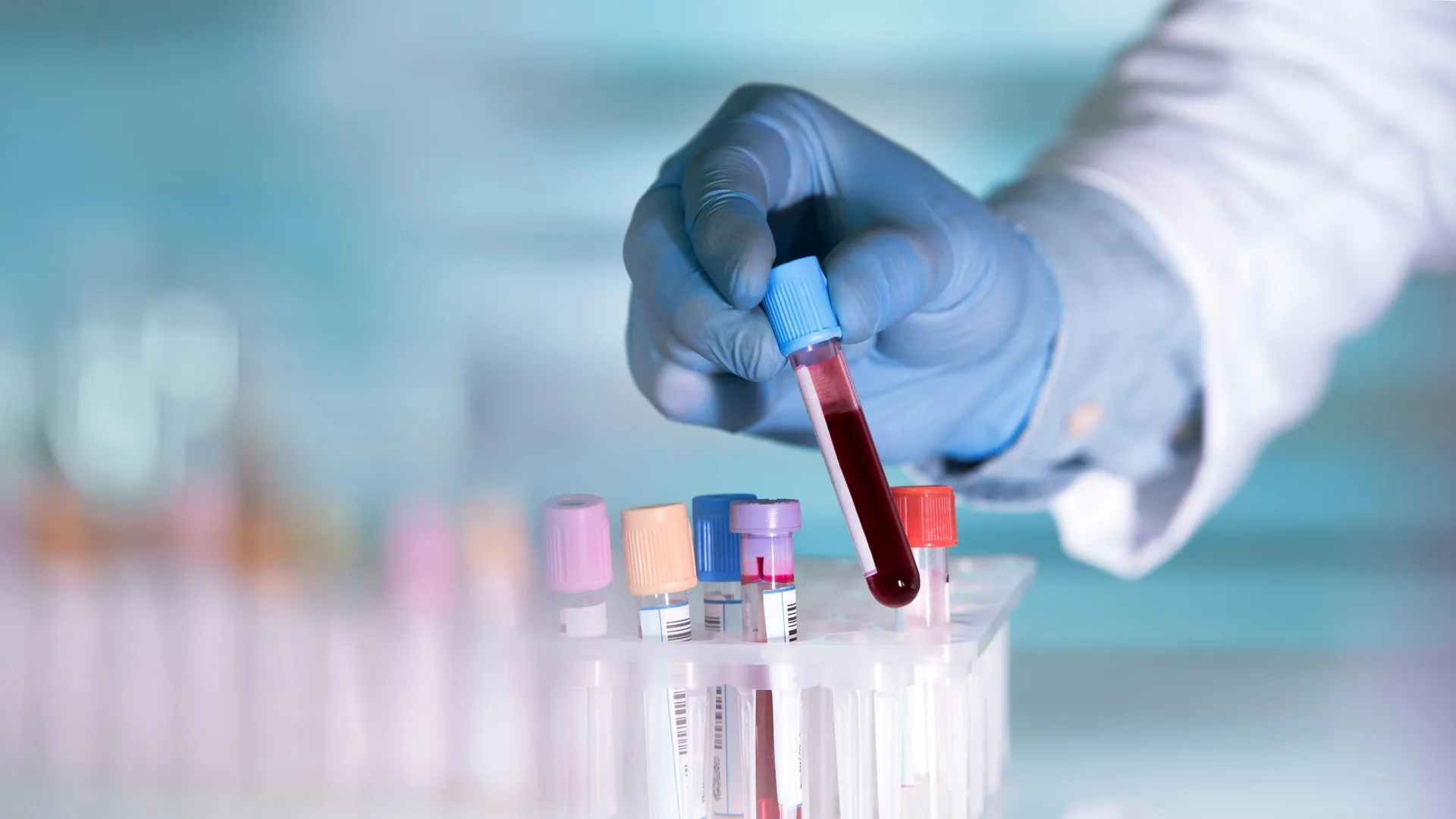
The proposed test measures epigenetic changes in monocytes, a type of immune cell responsible for fighting infections and regulating inflammation. By analyzing DNA methylation patterns—chemical markers that change with age—scientists can determine whether a person's immune cells are aging faster than expected. A simple blood sample provides enough material to detect these subtle shifts, potentially flagging depression risk months or even years before symptoms emerge.
3. Focus on Emotional and Cognitive Symptoms—Not Physical Fatigue
Interestingly, the accelerated aging of monocytes is specifically tied to the emotional and cognitive facets of depression—such as persistent sadness, hopelessness, and loss of interest or pleasure (anhedonia)—rather than physical symptoms like fatigue or sleep disturbances. This distinction could help clinicians pinpoint the type of depression a person may develop and tailor early interventions accordingly.
4. Why Monocytes Matter: The Immune-Brain Connection
Monocytes are part of the innate immune system, and they communicate directly with the brain through inflammatory signals. When these cells age prematurely, they may release altered levels of cytokines, proteins that can influence mood and brain function. This biological link provides a plausible mechanism for how immune system changes could precede and even trigger depressive episodes, offering a tangible target for early detection.
5. Implications for Early Intervention and Prevention
If validated, this blood test could revolutionize mental health care by enabling proactive monitoring. Individuals identified as high-risk could benefit from lifestyle adjustments, therapy, or medication before full-blown depression takes hold. This shift from reactive to preventive treatment aligns with the broader push in medicine toward personalized, pre-symptomatic care—potentially reducing the burden of depression on individuals and healthcare systems.
6. Current Diagnostic Limitations and How This Test Addresses Them
Today, depression is diagnosed through self-reported symptoms and clinical interviews, which can be subjective and delayed. Many people wait years to seek help, and misdiagnosis is common. A biomarker-based blood test would offer an objective measure, remove reliance on patient recall, and allow screening even in primary care settings. It could also differentiate depression from other conditions with overlapping symptoms, such as chronic fatigue or thyroid disorders.
7. Next Steps: From Research to Clinical Reality
While the findings are promising, the study is still in its early stages. Larger clinical trials are needed to confirm the link between monocyte aging and depression across diverse populations. Researchers also need to establish standard thresholds for what constitutes 'accelerated aging' and rule out confounding factors like stress, illness, or lifestyle. If successful, a commercial blood test could be available within the next decade.
8. Potential Challenges and Ethical Considerations
Introducing a predictive blood test for depression raises important questions. Would knowing your risk cause anxiety or stigma? How would insurance companies use this data? And could false positives lead to unnecessary treatment? Scientists and policymakers must address these issues through transparent research, clear communication, and robust privacy protections. The ultimate goal is to empower patients, not burden them.
This simple blood test represents a bold step toward demystifying depression and catching it at its earliest, most treatable stage. While more work lies ahead, the prospect of a quick, objective screening tool offers hope for millions who struggle with this invisible illness. As research progresses, we may soon have a powerful new ally in the fight against depression.
Related Articles
- Janet Petro's Retirement: A Q&A on Her Legacy at NASA Kennedy Space Center
- Launch Your Summer with NASA STEM: A Step-by-Step Guide to Space-Themed Activities
- 10 Key Insights from Magic: The Gathering's Marvel Crossover Expansion
- Cloud Messages: Decoding Winter’s End Over the Gulf of Alaska
- Meet the Pink Floyd Spider: A Tiny Wall-Dwelling Predator That Takes Down Prey Six Times Its Size
- Bridging the Gap: How Hybrid Development Unifies Low-Code and Full-Code for Enterprise AI
- Rethinking Fat Metabolism: A Step-by-Step Guide to the New Science of Obesity
- Groundbreaking Discovery in Fat Metabolism: A Protein's Dual Role in Obesity